
Hot water help for Lafayette, Colorado
Water Heaters Lafayette CO
Water Heater Repair, Installation & Replacement
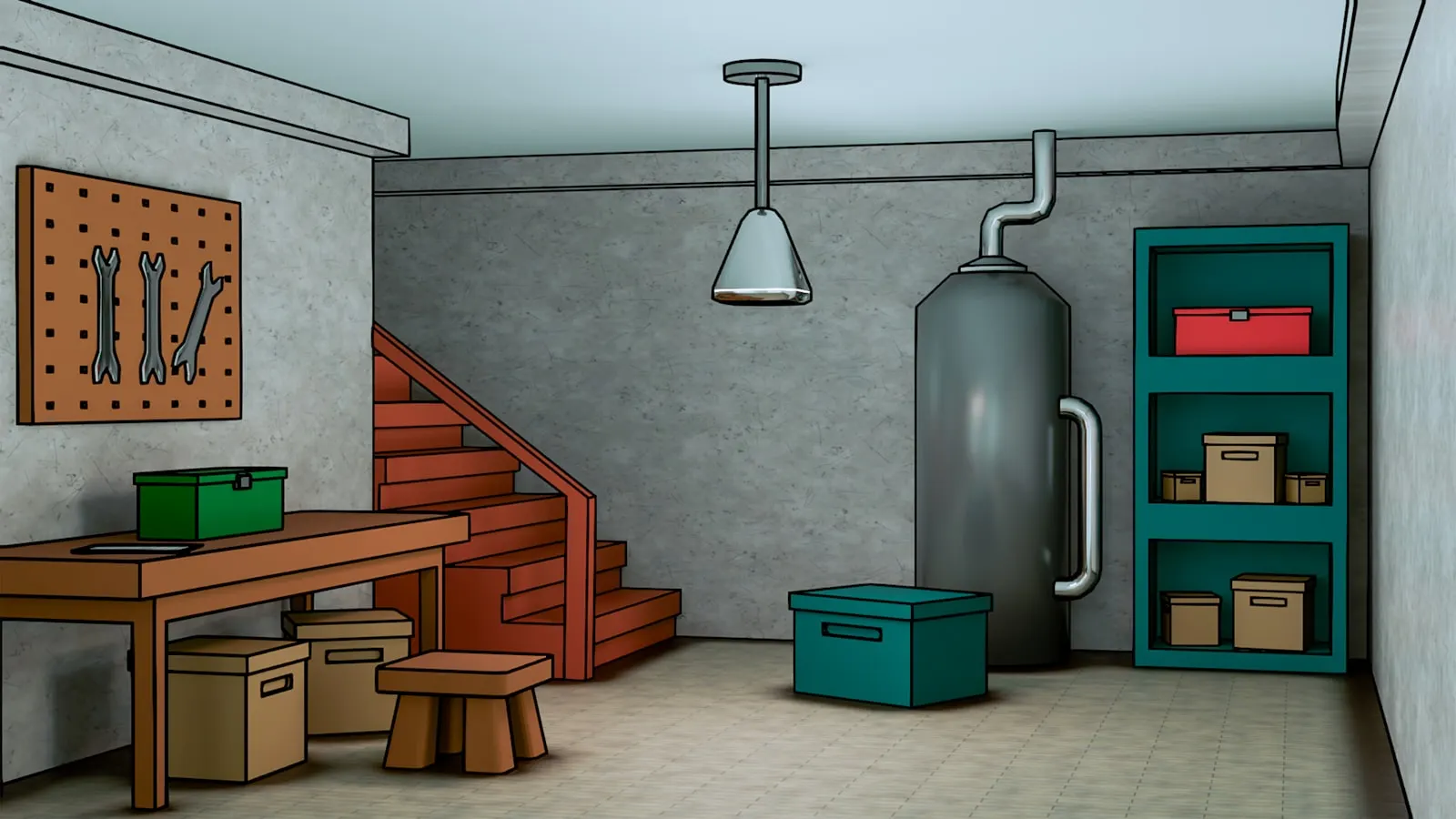
The tank in an Old Town cottage usually sits somewhere it was never meant to sit. A crawlspace with four feet of headroom. A closet under the stairs. A basement corner behind a doorway narrower than the tank itself. That geometry decides half of what the work costs here.
- Crawlspace and closet installs
- Repair-or-replace math
- Gas conversion questions answered
- Hedged Front Range price ranges
Water heater repair in Lafayette starts with access
Water heater repair in Lafayette runs into a problem the newer suburbs rarely have. Old Town cottages weren't designed around a 50-gallon tank, so the tank went wherever it fit, usually long after the house was finished. A crawlspace with a dirt floor. A closet under the stairs. The back corner of a basement you reach through a doorway that measured 28 inches when the mines were still running.
That matters because the first question on a replacement isn't which brand. It's how the old one leaves and the new one arrives. Sometimes it's a clean swap. Sometimes it means draining, cutting, and carrying a tank out in a way that adds real hours to the bill. And sometimes it's the argument that finally pushes a household toward a wall-hung tankless unit, not because tankless is fashionable but because the closet will not take another cylinder.
Two blocks east the same job takes a fraction of the time. Garage install, clean clearances, gas and water right where you want them. The Lafayette housing rundown explains why the two halves of this town behave so differently.
So when you call about a water heater here, lead with where it lives. A plumber can quote a garage swap over the phone with reasonable confidence. A crawlspace under a 1910 cottage, nobody can, and the honest ones will say exactly that.
Symptoms worth reading before you panic
Not every hot water complaint is a dying tank. Lukewarm water that never gets properly hot points at a thermostat or a failed element on an electric unit, or a gas control that isn't calling for burn. Hot water that runs out faster than it used to usually means a dip tube or sediment stealing capacity. Both of those are repairs, not funerals.
Rumbling and popping is sediment, boiling under a layer of mineral on the tank floor. That's a flush. And if the tank has never been flushed and it's past ten years old, the flush occasionally reveals a leak the sediment had been politely holding shut. Ask any plumber in this county and they'll have that story ready.
Rust in the hot water only, with the cold running clear, points at the anode rod or the tank lining. Water on the floor around the base is a different category entirely. A tank that's actively leaking has already made its decision, and the only question left is how fast you move.
In the 1990s and 2000s subdivisions east and south, the pattern is that a whole block ages together. If two neighbors replaced their heaters this year and yours went in with the house, that's the most useful information you'll get for free all decade.
Repair, replace, or convert: doing the math
The blunt version. Repairs make sense on a tank under about eight years old, and they get harder to justify past twelve. A thermostat, an element, a thermocouple, a gas valve: along the Front Range those commonly run a couple hundred dollars of work, sometimes less. A full tank replacement lands considerably higher, and in this town access swings that number more than the appliance does.
Tankless changes the shape of the bill again. Installed cost runs well above a tank swap, more if the gas line needs upsizing or the venting has to be rerouted through a cottage wall that's still carrying original lath. Over years the efficiency and the reclaimed floor space can pay for it. Over one weekend with no hot water, it usually isn't the answer.
The electric-to-gas conversion question comes up constantly here, mostly in cottages that got electrified before anybody piped them for gas appliances. It's rarely a plumbing-only job. You're running gas, adding venting, and possibly touching the panel on the way out. Worth doing during a remodel. Rarely worth doing at nine at night in January, which is exactly when people ask.
If your tank is leaking right now and the water is spreading, this stops being a math problem. Shut off the water and the fuel, then work through our Lafayette emergency steps.
- If the tank is under 8 and not leakingRepair it. Parts are cheap next to a replacement.
- If it's 10 to 15 and losing capacityPrice both. A flush may buy a year, or reveal the end.
- If there's water on the floorReplace. A leaking tank does not get better.
- If the closet won't fit another tankGet tankless quoted properly, gas and venting included.
Dealing with this in Lafayette?
Start a quoteMaking a tank last in hard-to-reach places
Flush it once a year, or get somebody to. That's the whole maintenance program for most households, and it matters here because the city draws on northern Colorado sources that carry enough mineral to leave sediment over time. The tank in a crawlspace is the one nobody flushes, which is precisely the one that needs it.
Check the anode rod around year five if the tank sits somewhere you can actually reach the top of it. In a cottage crawlspace that inspection often costs more in contortion than it saves, and plenty of plumbers will tell you honestly that it isn't worth the trip.
Set the thermostat near 120. Higher scalds and speeds up scaling, lower gets into territory nobody should experiment with. And if your heater lives in an unheated crawlspace, insulate the first several feet of hot and cold pipe leaving the tank, because in a Lafayette January that run is doing double duty as a heat sink.
One more thing for the newer neighborhoods. Know your build date. It's on the label, usually encoded in the serial number, and every plumber you talk to will ask for it. Having it ready turns a vague call into a real conversation. If you want the wider view, our water heater guide covers the rest of the Front Range.
Keep exploring
More for Lafayette and nearby
All Lafayette plumbing guides Water Heater Repair across the Front Range Erie Louisville
Questions we actually get
Water Heater Repair in Lafayette: quick answers
How long should a water heater last at this elevation?
Elevation doesn't shorten tank life much on its own, but mineral content and skipped flushing do. A conventional tank that gets flushed is often good for twelve to fifteen years, and one that has never been touched can quit at eight. In Lafayette the crawlspace tanks die early, mostly because they're out of sight and everybody forgets they exist.
Can I convert my electric water heater to gas?
Often yes, but price it as a project rather than a swap. You need gas run to the location, proper venting, and sometimes electrical work to retire the old circuit. In an Old Town cottage where gas service arrived decades after the house did, that can mean opening walls. Good remodel decision, poor emergency decision.
Is tankless worth it in an old Lafayette house?
Sometimes, and space is usually the honest reason rather than efficiency. If your tank lives in a closet that can't take another cylinder, a wall-mounted unit solves a real problem. Just get the quote to spell out gas line sizing and venting through an old exterior wall, because those two line items are where the surprises live.
No hot water in Lafayette?
Tell us the tank's age and where it sits, and we'll route you to plumbers who have fought a crawlspace install before.
Get My Free Quote