
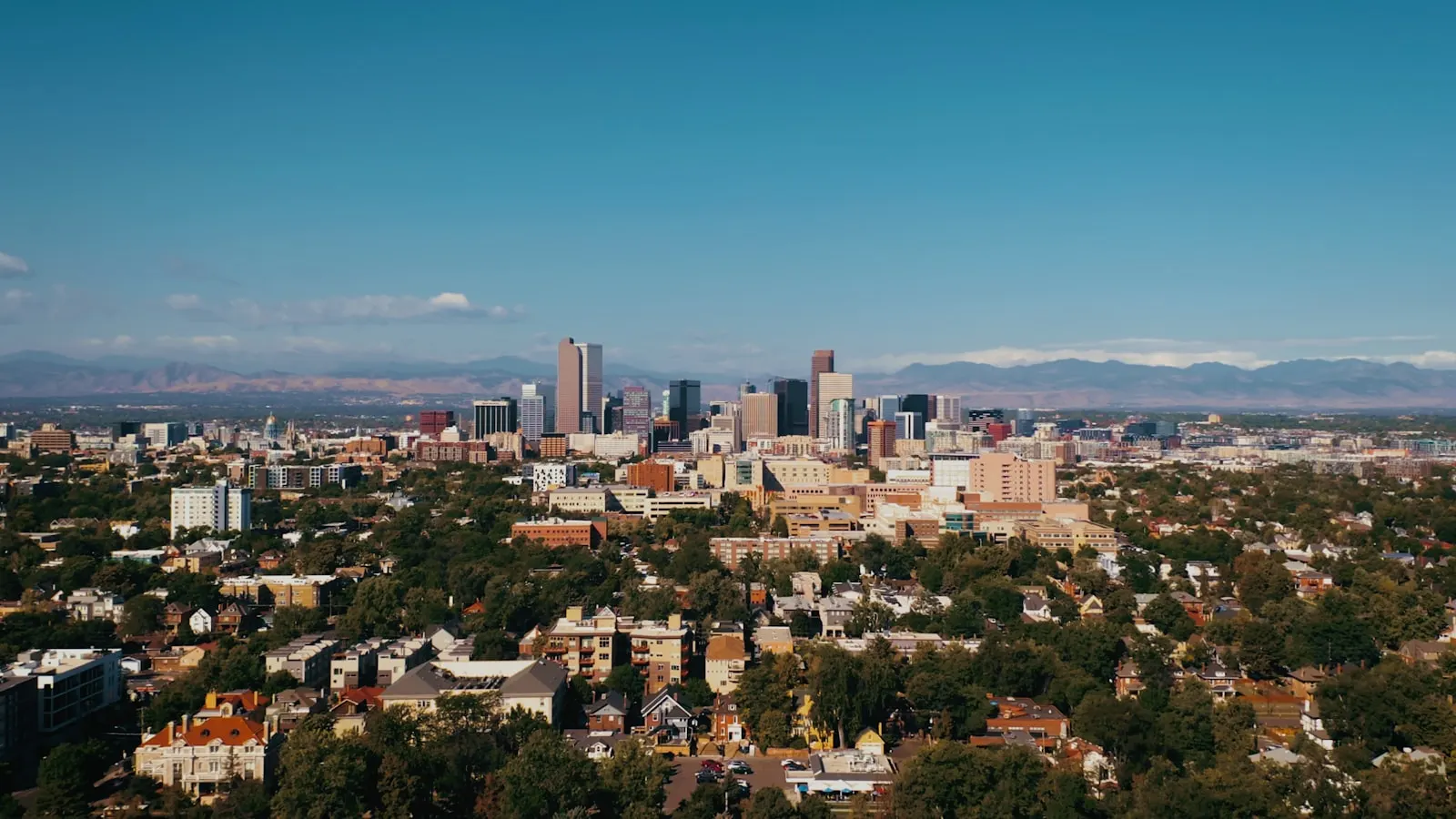
Plumbing guidance for Littleton, Colorado
Plumbers Littleton CO
Emergency Plumbing, Drain Cleaning & Water Heater Repair in Littleton
Littleton keeps its receipts. An 1890s storefront on Main Street, a 1954 ranch two blocks over, a 1990s infill down the hill toward the river. Each one plumbs differently, fails differently, and costs differently to fix. We wrote these guides for a town where every era still has its pipes.
- Galvanized and clay literate
- Every housing era covered
- River-valley freeze aware
- Fast, honest quote routing
A town that kept every chapter of its housing
Most Front Range suburbs got built in one push. Littleton didn't. The 1890s commercial blocks around Historic Downtown are still standing, still occupied, still draining through lines their builders would recognize. Streetcar-era houses fill the blocks around them, post-war ranches ring those, and 1990s infill patches whatever ground was left over. That's why Littleton plumbing resists generalization: within a single mile you can find five eras of pipe, each failing on its own schedule, each asking for a different fix. We treat every house here like a document. The build date is the title page, and the plumbing is the chapter nobody read until it leaked.
Reading houses that way isn't a party trick, it's diagnostic. A 1902 building near Main Street almost certainly ran galvanized steel supply lines and a vitrified clay sewer lateral, because that's what existed to install. A 1955 ranch might carry galvanized or early copper, depending on which side of the material transition its plumber stood when he bid the job. And 1990s infill is copper or plastic, boring in the best possible way. Knowing the era narrows the suspect list before anyone opens a wall, and exploratory demolition is the line item nobody enjoys paying for.
So these guides start with the housing, not with a service menu. Tell us when your place was built and half the diagnostic questions answer themselves before a truck ever rolls.
- 1890s downtown: galvanized supply, clay laterals, shared-line surprises
- Streetcar blocks: original branch lines rusting from the inside
- Post-war ranches: transition-era materials, aging water heaters
- 1990s infill: modern pipe, builder-grade shortcuts
What the build date predicts about the pipes
Denver Water serves much of Littleton with soft mountain supply, which is genuinely good news: soft water is gentle on tanks, fixtures, and pipe interiors. But softness can't fix geometry. Original galvanized lines rust from the inside until a half-inch pipe carries water through a pencil-width opening, and no water quality on earth reverses that. If your shower drops to a trickle whenever someone opens a faucet downstairs, that's not a pressure problem. That's history, accumulating one layer of rust at a time since the Wilson administration.
Sewer laterals follow the same logic underground. Clay pipe under a century of landscaping means roots at every joint, offsets where sections settled, and infiltration where the river keeps groundwater close to the pipe. We walk through the scope-first approach in the Littleton sewer line guide, and the slow-drain end of the same story in our drain cleaning guide. Both start from one premise: know the era and you know the suspects. The table below is the shorthand version, hedged the way honest predictions have to be.
| Era | Supply lines | Sewer lateral |
|---|---|---|
| 1890s to 1920s | Galvanized steel, some lead-era service lines | Vitrified clay |
| 1940s to 1960s | Galvanized giving way to copper | Clay or cast iron |
| 1970s to 1980s | Copper | Cast iron or early plastic |
| 1990s and newer | Copper or PEX | PVC |
Neighborhood coverage
Where we get called in Littleton
Plumbing problems cluster by neighborhood, because housing eras do. These are the Littleton areas and nearby communities our guidance is written around.
Outside these? The whole city is covered. Neighborhood names simply help us guess your pipes before you finish typing.
Climate, elevation, timing
Cold air runs downhill, and Littleton is downhill
Littleton sits at 5,351 feet in the South Platte valley, and the valley matters more than the altitude. On clear winter nights, cold air slides off the foothills and settles along the river bottom, a pattern called radiational cooling. The practical result: low blocks near South Platte Park and Hudson Gardens can run noticeably colder overnight than neighborhoods up on the shelf by Arapahoe Community College. The official forecast is measured somewhere else. Your crawlspace reads the valley.
The calendar runs long here, too. First freeze historically arrives around early October, first measurable snow near mid-October, and the last spring freeze hangs on until about early May. That's roughly seven months when an uninsulated pipe is a bet you're renewing nightly. Annual snowfall lands somewhere around 45 to 60 inches in a typical year, and snow cover actually insulates the ground. It's the dry, windless, bitterly clear stretches between storms that split pipes in valley towns.
Old housing compounds the exposure. Pre-war crawlspaces were built for coal-era ventilation, not insulation, and additions built over old porches carry supply lines through what used to be an exterior wall. If either sounds like your place, the frozen pipe guide was written specifically for you, and September is when it's cheapest to act on.
Littleton at a glance
- Elevation
- 5,351 ft
- County
- Arapahoe
- Population
- ~45,000
- First freeze
- Early Octoberhistorical average
- First snow
- Mid Octoberhistorical average
- Snow / year
- 45-60″approximate range
Littleton's first freeze historically lands in early October, about … from today. First snow tends to follow near mid October. Spring's last freeze holds on until roughly early May.
NWS forecast near Littleton: Loading…
The Littleton plumbing jobs we hear about most
Every guide on this page works the same way: start from the housing stock, name the failures that era actually produces, then talk options and honest cost ranges. Drains rusted nearly shut behind 1920s plaster. Water heaters wedged into converted coal rooms with ceilings a modern tank barely clears. Clay laterals threaded under trees that were saplings when Coolidge was president. Midnight emergencies where the original shutoff hasn't turned since the Eisenhower years. And freezes that find the one uninsulated run in the house with the patience of a burglar checking doors.
None of that is exotic. It's just Littleton, and it rewards plumbers who've met the era before. A tech who has fought a seized gate valve in a 1910 four-square knows things no training manual covers: which fittings shear, which plaster crumbles, which shortcuts a 1948 remodeler probably took. When you request a quote through us, the notes about your house's age and symptoms travel with the request, so the first phone call starts at the diagnosis instead of the directions.
And if your house is one of the newer ones, good news: your guides are shorter, your parts are standard, and your surprises are cheaper. The era method still applies. It just returns friendlier answers.
How quotes work on this site
Straight answer: Denver Plumbing is a local plumbing resource and quote service, not a dispatch garage with trucks idling behind Main Street. We publish the guides, we read every quote request that comes through, and we route yours toward plumbers who actually work Littleton's housing stock. No invented reviews. No fake response-time promises. Just the homework, done in public, and a form that gets your problem in front of the right people.
What you get from that form is a real conversation starter: your symptoms, your house's era, your timeline, all attached before anyone calls you back. What you don't get is a call center reading a script written for a city where every house went up in 2004 and every pipe is the same three materials.
If you'd rather read first, good. That's what the five guides below are for. Start with whichever one is currently dripping.
Something dripping in Littleton right now?
Get a fast quoteWhat we cover here
Littleton service guides
Drain Cleaning
Galvanized branch lines in pre-war blocks rust nearly shut long before they clog. What cabling can and can't do for Littleton's oldest drains.
→Water Heater Repair
Low-ceiling basements and converted coal rooms make swaps tricky in old Littleton. Repair or replace, sized for the house you actually have.
→Sewer Line Repair
Clay laterals under century-old landscaping, plus river groundwater sneaking in. Scope first, then decide between spot repair, lining, and the dig.
→Emergency Plumbing
When a 1920s shutoff won't budge at midnight, minutes matter. Triage steps and honest quote routing for Littleton's oldest housing stock.
→Frozen Pipe Repair
Cold air pools along the South Platte on clear nights. Which Littleton pipes freeze first, and how to thaw them without splitting them.
→Nearby coverage: Englewood Highlands Ranch Centennial All 30 cities
Questions we actually get
Littleton plumbing questions
My house still has galvanized supply lines. Do I have to repipe all at once?
No, and most owners of pre-war Littleton homes don't. Plenty of houses run on a mix: original galvanized in the walls, copper or PEX where sections already failed. A full repipe buys consistent pressure and fewer surprises, and it's worth pricing if you're opening walls for a remodel anyway. Short of that, replace the worst horizontal runs first. They rust shut faster than the vertical ones.
How do I find out if my sewer lateral is clay?
Build date is the first clue: anything from the 1890s through the 1950s in Littleton's older core probably left the builder with vitrified clay. The definitive answer is a camera scope, which typically runs a couple hundred dollars along the Front Range and shows you material, root intrusion, and whether river-area groundwater is seeping in. Cheap information compared to guessing wrong.
When should I winterize outdoor plumbing in Littleton?
Work backward from the historical first freeze, which lands around early October here. That means hoses off, bibs drained, and sprinkler blowouts booked by late September. The valley location makes the deadline less forgiving: on clear, calm nights, cold air pools along the river bottom, so low-lying blocks can hit freezing before the official forecast says they should.
Is Denver Plumbing a plumbing company with its own crews?
No. We're a plumbing resource and quote service for the Denver metro. We write these guides, read every quote request, and connect you with plumbers suited to your job and your house's era. We don't invent reviews or claim trucks we don't have. The value is the homework and the routing, and both are free to you.
Put your Littleton house on paper
Tell us the build era and the symptom, and we'll route your quote to plumbers who've worked that vintage before.
Get My Free Quote