
Plumbing guidance for Boulder, Colorado
Plumbers Boulder CO
Emergency Plumbing, Drain Cleaning & Water Heater Repair in Boulder
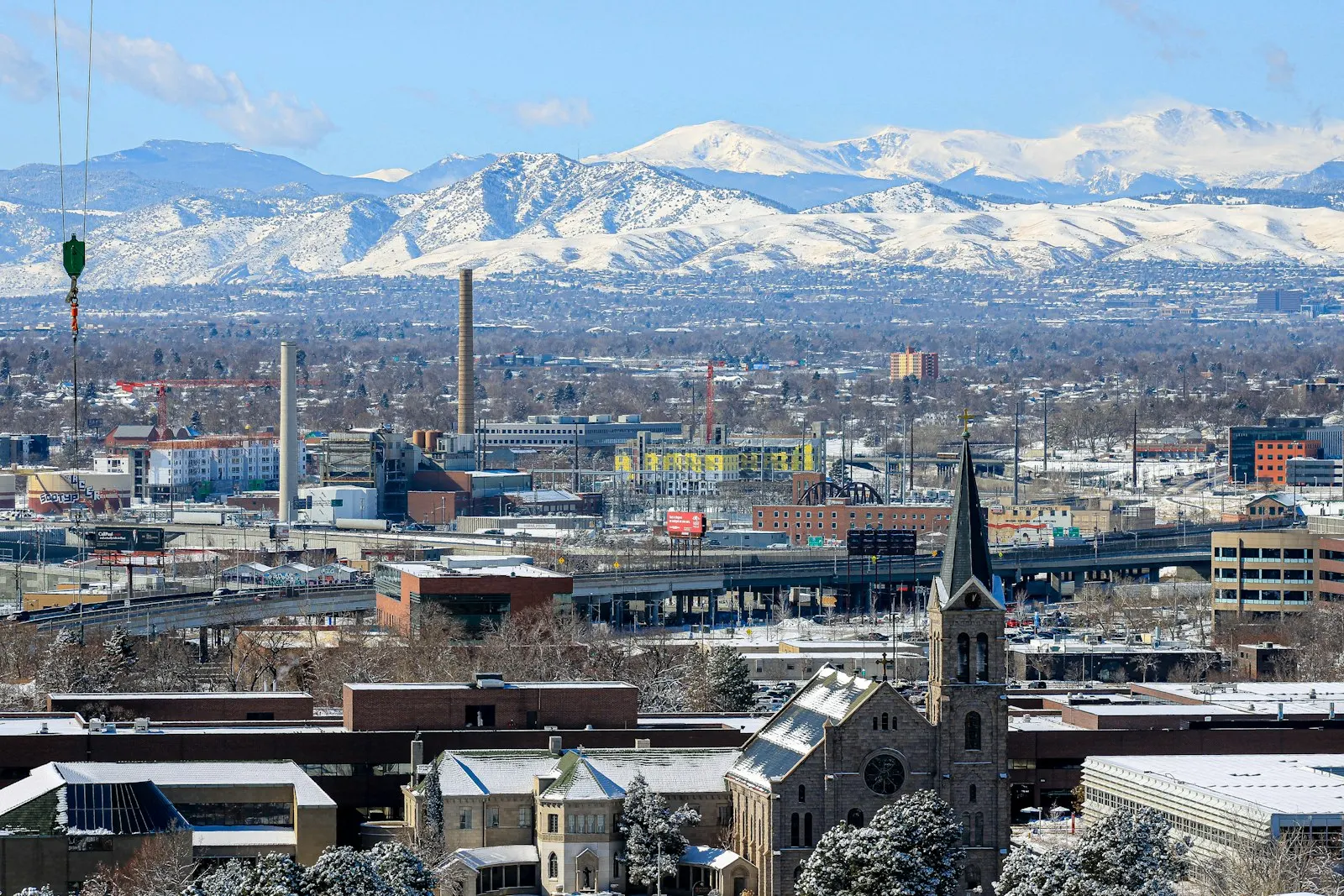
Boulder sits at 5,318 feet with the Flatirons right there and Boulder Creek running out of its canyon through the middle of town. Water is never abstract here. These guides cover the Victorians on Mapleton Hill, the rental churn near CU, and every basement that learned something in 2013.
- Mapleton Hill Victorian know-how
- Sump pumps and backflow valves
- Freeze dates starting October 1
- Quotes read by actual people
What Boulder plumbing looks like, street by street
Boulder plumbing changes character in about a mile. Up on Mapleton Hill, under those elms, the houses run from the 1890s through the 1920s: galvanized supply that's been narrowing for a century, clay laterals, and cellars somebody finished into basements in 1978 without a thought about groundwater. They're beautiful houses. Genuinely. They're also houses where the main shutoff hides behind a furnace, painted the same cream as the wall, untouched since the Carter administration.
Walk over to the Hill and the housing is the same vintage living an entirely different life. Rentals turn over every August. Six or eight people share drain lines sized for a family of four, nobody in the house has met the landlord's plumber, and the kitchen sink takes whatever the semester produces. Bacon grease in October. A party's worth of solids in February. The pipe doesn't read the lease.
South of Baseline the city changes decade. Martin Acres and the mid-century tract around it went up when cast iron drains and copper supply were simply what you used, and sixty-odd years later that iron is doing what iron does: sagging at the joints, holding water where it should be moving it. Then there's the creek. Boulder Creek comes out of its canyon and runs straight through town, and along that corridor the water table is a live participant in your basement. Most Front Range cities never have to think about that. Boulder thinks about it constantly, and the sewer line guide explains why buried pipe here has two problems instead of one.
| Where and when | What's in the walls | What tends to fail |
|---|---|---|
| 1890s-1920s Mapleton Hill | Galvanized supply, clay laterals | Root-choked sewers, seized valves |
| The Hill rentals, same vintage | Patched lines, added baths | Grease-packed kitchen branches |
| 1950s-60s Martin Acres | Cast iron drains, copper supply | Bellied iron, tired shutoffs |
| Creekside blocks, any era | Sump pits, backwater valves | Dead floats, groundwater seepage |
The habits 2013 left behind
The 2013 flood is the reason Boulder homeowners talk about water differently than everyone else on the Front Range. Ask somebody in Superior about their sump pump and you'll get a shrug and a guess. Ask on a creekside block here and you'll get the brand, the horsepower, and the last date they tested it. Basements took on water, and the retrofits that followed (sump pits, backwater valves, downspouts rerouted away from foundations) are still the local baseline more than a decade later.
A sump pump is a machine, and machines that sit idle for eleven months tend to fail on the twelfth. Pour five gallons into the pit and listen: the float should lift, the pump should run, the water should leave. Then go outside and confirm where it leaves to. Discharge dumped two feet from the foundation is just recycling the problem. Check the check valve while you're at it. And if your block loses power during a summer storm, a pump with no battery backup is a decoration.
The other half of that legacy is knowing which water you're looking at. Clear seepage along a wall in April is groundwater and snowmelt. Gray water rising out of a floor drain during a downpour is your sewer lateral giving up, and no sump pump on earth helps with that one. Different water, different repair, wildly different bill.
- Water rises in the pit but the pump never startsTest the float and the outlet before you buy a pump
- Sewage backs into a floor drain during heavy rainThat's a backwater valve conversation, not a sump one
- The basement stays damp with no storm in sightSuspect a supply leak or failed foundation drain, not the creek
Neighborhood coverage
Where we get called in Boulder
Plumbing problems cluster by neighborhood, because housing eras do. These are the Boulder areas and nearby communities our guidance is written around.
Outside these? The whole city is covered. Neighborhood names simply help us guess your pipes before you finish typing.
Climate, elevation, timing
Zero miles of buffer between you and the mountains
Boulder sits at 5,318 feet with the Flatirons at the western edge of town, which means mountain weather doesn't travel here. It's already here. Historically the first freeze hits right at October 1, snow shows up around the 10th, and the last spring freeze refuses to clear out until about May 7. Add it up. Seven months of the year a hard freeze is live, in a city where the storm never has to cross forty miles of plains to reach your hose bib.
Snow is the other half of the story. Historically Boulder pulls somewhere between 80 and 95 inches a year, some of the biggest totals in the metro, and much of it arrives in upslope events that stack wet, heavy accumulation against the west face of everything. That matters to plumbing in ways people don't expect. Buried meters and meter pit lids. Sidewall furnace and water heater vents drifted shut. Roof snow shedding onto a vent termination and packing it solid in one afternoon. March is the sneaky month: a big storm, then a 55-degree afternoon, then a 12-degree night, and every melt-and-refreeze cycle works old joints a little looser.
The creek corridor adds one more wrinkle. On still, clear nights cold air drains out of Boulder Canyon and pools in the low ground, so a house near the creek can sit noticeably colder than one up on Mapleton Hill. Same city, same forecast, different night. That's why sprinkler blowouts here belong in late September rather than mid-October, and why the frozen pipe guide spends its time on where your particular house is cold instead of on what the official thermometer said.
Boulder at a glance
- Elevation
- 5,318 ft
- County
- Boulder
- Population
- ~105,000
- First freeze
- Early Octoberhistorical average
- First snow
- Early Octoberhistorical average
- Snow / year
- 80-95″approximate range
Boulder's first freeze historically lands in early October, about … from today. First snow tends to follow near early October. Spring's last freeze holds on until roughly early May.
NWS forecast near Boulder: Loading…
Soft mountain water rewrites the failure list
Boulder's supply comes off high-mountain sources and it's exceptionally soft, which is a real gift and also a source of confusion. Plenty of the Front Range fights hardness: scale in the tank, crust on the aerators, a dishwasher that dies young. Boulder mostly doesn't. So when a plumber opens a quote by explaining mineral buildup in your pipes, you can politely ask what he's basing that on.
What soft water doesn't do is prevent clogs. Grease still congeals. Hair still mats. Wipes still knot up in a 1915 clay lateral exactly the way they do everywhere else. And a heater that fails at year nine in a soft-water city failed for some other reason: a spent anode rod, a tired thermocouple, or house pressure nobody ever put a gauge on. Check the pressure before you replace anything expensive. Fifteen dollars of gauge on a hose bib will settle arguments that otherwise turn into four-figure decisions.
Elevation belongs in the same conversation. At 5,318 feet, gas appliances need combustion setups rated for the altitude, and equipment sized by somebody's flatland rule of thumb underperforms all winter. The water heater guide lays out the questions that separate a real quote from a guess.
Who is actually writing this
Denver Plumbing is a local resource and a quote service. We don't own a truck, we don't dispatch, and we're not going to pretend we've been serving Boulder since some invented year. What we do: write these guides, read the quote requests Boulder sends us, and hand them to plumbers who understand the difference between a Mapleton Hill lateral and a Martin Acres one. No manufactured reviews. No stock photo of a fleet we don't have.
Use the guides the way you'd use a friend who knows the trade. Read the one matching your symptom, write down the two or three questions it tells you to ask, then collect bids. And if what you're looking at is water where water shouldn't be, stop reading and move. The emergency page covers the first five minutes, starting with the shutoff you should go find tonight instead of at 2 a.m. in February.
Something dripping in Boulder right now?
Get a fast quoteWhat we cover here
Boulder service guides
Drain Cleaning
Six roommates, one 1912 kitchen line, and a clog schedule that follows the academic calendar. Plus what Victorian drains and creekside groundwater do differently.
→Water Heater Repair
Soft water hides the warning signs, upslope snow buries the vent, and a landmarked exterior limits where a new one can go. Straight answers on all three.
→Sewer Line Repair
Mapleton elms in the clay, canyon-mouth groundwater in the joints, and the backwater valves 2013 made normal. Scope it with a camera before anyone digs.
→Emergency Plumbing
Find your shutoff tonight, not at 2 a.m. Boulder's flood memory, August move-in disasters, and canyon cold snaps, triaged by how fast each one ruins things.
→Frozen Pipe Repair
Meters buried under upslope snow, Victorian walls with no insulation at all, and cold air pooling off the creek. Three freeze patterns, one October 1 deadline.
→Nearby coverage: Superior Louisville Longmont All 30 cities
Questions we actually get
Boulder plumbing questions
When should Boulder sprinklers get blown out?
Late September, and don't negotiate with yourself about it. The historical first freeze here sits right at October 1, which puts Boulder ahead of most of the metro, and first snow usually turns up in the week or two after that. Creekside blocks run colder than that average on still nights, because cold air drains out of the canyon and pools in the low ground. Book the blowout while it's still shorts weather.
Our water is so soft. Do I still need to flush the water heater?
Flushing matters less here than it would in a hard-water town, but it isn't pointless. Sediment still collects, just slower, and the flush doubles as a chance to test the drain valve and look at the pan underneath. The bigger item in Boulder is the anode rod, which quietly does its job for years and then stops. Ask about the rod while a plumber is already standing there.
My basement stayed dry in 2013. Do I need a backwater valve?
Maybe not, and a camera will tell you more than any sales pitch will. A backwater valve blocks sewage pushing back up your lateral, which is a completely different failure than groundwater seeping through a foundation wall. If your line is old clay, sits low, or has taken water in a heavy storm since, price the valve. If none of that applies, put the money toward scoping the line first.
Is Denver Plumbing an actual Boulder plumbing company?
No. We're a local guide and quote service, and we say so on every page. We write the content, read the quote requests that come in from Boulder, and connect homeowners with plumbers who work these housing types. There's no fleet, no invented star ratings, no anniversary we celebrate. The guides stay free whether or not you ever request a quote.
Boulder, let's get the water going the right direction.
Tell us the symptom, the neighborhood, and roughly how old the house is, and we'll put your request in front of plumbers who know the difference.
Get My Free Quote