
Plumbing guidance for Longmont, Colorado
Plumbers Longmont CO
Emergency Plumbing, Drain Cleaning & Water Heater Repair in Longmont
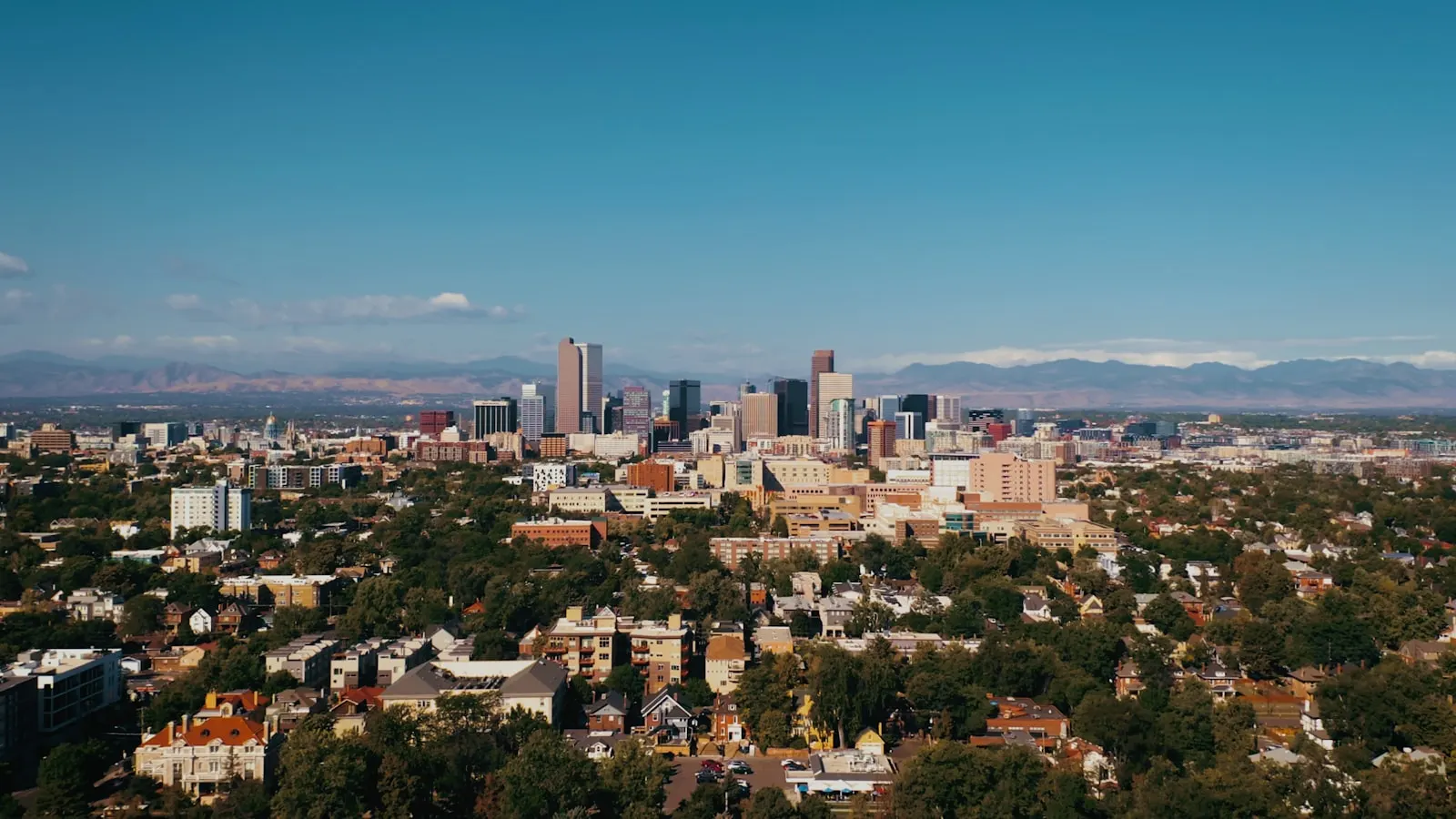
Longmont sits at 4,979 feet, the lowest and northernmost town on this corridor, where cold air pools on the valley floor after sundown and Longs Peak fills the western window. We write plumbing guides for this specific city, then hand your quote request to people who work it.
- Downtown core to east side
- Valley frost, not just snow
- Honest Front Range cost ranges
- Quote requests read by people
Longmont plumbing runs on valley rules
Ask anybody who grew up here what makes this town different and they'll start with the water. Longmont plumbing benefits from a city-run utility drawing mountain supply, and it comes out soft, clean, and well regarded by the people who drink it. That matters below the floor more than most homeowners realize. Soft water is kind to fixtures and kinder still to water heater tanks, so failures around here rarely begin with scale. They begin with age.
And this town has plenty of that. What you're really dealing with is three eras sharing one grid: an 1870s downtown built back when the sugar mill ran the payroll, a wide belt of 1960s to 80s tract houses on the north and west sides, and everything that went up east and south after 2000. Each era fails on its own clock. A storefront block off Main Street and a house out toward Union Reservoir have almost nothing in common once you look past the drywall.
Straight talk about who's writing this. Denver Plumbing is a local resource and quote service, not a shop with a fleet of trucks. We publish what we've learned about this valley, and when you send a quote request a real person reads it and routes it to plumbers who take work here. No invented reviews, no fake five-star wall. Just trade knowledge, plainly stated.
Three Longmonts under one water bill
The old core around Main Street and Roosevelt Park is the interesting one. Houses from the 1890s through the 1920s, most with basements that have been dug out, poured over, and re-plumbed at least twice since somebody first lit a coal furnace down there. Galvanized supply patched into copper at odd angles. Cast iron drains that have outlived three owners. Laterals out to the street dating to the sugar-mill era, which is a polite way of saying they're clay and they're tired.
The tract belt is the volume story. Thousands of houses went up between roughly 1960 and 1985, and they were built well enough that the original everything lasted a long time. That's the trap. When a whole neighborhood's water heaters, cast iron stacks, and shutoff valves got installed within a few years of each other, they retire in waves too. If two neighbors have had a truck in the driveway this year, yours isn't far behind.
East and south, out past the newer arterials toward the Weld County line, the houses are young enough that materials aren't the issue. Soil movement and builder-grade fittings are. PVC laterals settle into low spots, pressure regulators drift out of spec, and the plastic supply stops under sinks give up around year twelve like they were scheduled. Different problems, same city limits.
So figure out which Longmont you live in. The table is the short version.
| Where you live | Built | What goes first |
|---|---|---|
| Old core near Main and Roosevelt Park | 1890s-1920s | Clay laterals, galvanized patchwork, cast iron stacks |
| North and west tract belt | 1960s-1985 | Water heaters in waves, scaled drains, tired shutoffs |
| East and south growth | 2000s-now | Settling PVC, drifting regulators, brittle supply stops |
| Blocks along the St. Vrain Greenway | All eras | Groundwater intrusion, backflow gaps, forgotten sumps |
Neighborhood coverage
Where we get called in Longmont
Plumbing problems cluster by neighborhood, because housing eras do. These are the Longmont areas and nearby communities our guidance is written around.
Outside these? The whole city is covered. Neighborhood names simply help us guess your pipes before you finish typing.
Climate, elevation, timing
Valley cold does the damage snow usually gets blamed for
Start with the calendar, because it runs earlier than newcomers expect. The first freeze historically lands around October 1, first snow follows near October 16, and the last spring freeze holds on until roughly May 5. Snowfall runs about 35 to 50 inches in a typical winter, less than Boulder up the road and a good deal less than the towns south of here. At 4,979 feet Longmont is the lowest ground on this corridor, and lower usually means milder.
It does not mean safer. On a clear, still January night, cold air cools against the ground, gets heavy, and slides downhill off the foothills until it reaches the bottom of the valley. This is the bottom. That pooled air sits there and keeps cooling, so your crawlspace can spend a few hours in a colder night than the forecast ever promised. Longs Peak dominates the western skyline, and the air draining out from under it has to go somewhere.
Which flips the risk model the snow totals suggest. A 35-inch winter full of hard, calm, cloudless nights punishes uninsulated crawlspaces and exterior-wall supply lines worse than a 60-inch winter of mild, cloudy storms ever will. Snow is insulation. Clear skies are not.
The practical version fits on an index card. Get hoses off the bibs by the last week of September, because that October 1 date is an average and the first hit sometimes arrives without warning. Watch the quiet nights harder than the stormy ones. And don't relax in April, since the last freeze here sits in early May, well after most people have fired up sprinklers and mentally moved on. That gap between confidence and calendar is where a lot of local repair calls live. Our frozen pipe guide for this town goes deeper on the where.
Longmont at a glance
- Elevation
- 4,979 ft
- County
- Boulder/Weld
- Population
- ~100,000
- First freeze
- Early Octoberhistorical average
- First snow
- Mid Octoberhistorical average
- Snow / year
- 35-50″approximate range
Longmont's first freeze historically lands in early October, about … from today. First snow tends to follow near mid October. Spring's last freeze holds on until roughly early May.
NWS forecast near Longmont: Loading…
Read the signs before they book your weekend
Houses talk before they break, and old ones talk more. Downtown, listen for the toilet that gurgles when the washing machine drains. That's air getting shoved through a shared line that's losing capacity, and it usually means the lateral out front is on its way to trouble. A drain that's slow only after a long wet stretch is telling you something different entirely: groundwater is finding a way in.
The 2013 St. Vrain flood taught a lot of people around here to think hard about where water goes when the ground is already full, and that instinct is worth keeping year-round. Blocks near the Greenway sit closest to the water table. A floor drain that burps during a soggy week is not a quirk, it's information. Worth knowing too: a sump pump that only runs in spring is a sump pump nobody has tested since last spring.
In the tract belt the tells are quieter. Rusty water on the first draw after a trip out of town. A relief valve that weeps a little. Hot water running out ten minutes sooner than it did two years back. That's a tank reporting its remaining life in the only language it has, and replacing on your schedule instead of the tank's is the cheapest decision in this whole guide. If yours is already sputtering, start on the water heater page.
Paying for the work without getting taken
Nobody loves a price range, but honest work comes with one. Along the Front Range a straightforward drain clearing commonly lands in the low hundreds, a standard tank water heater swap usually runs into the low four figures depending on venting and access, and replacing a full sewer lateral downtown can climb well past that once the line runs under a street. Access drives which end of any range you hit.
What moves those numbers in this city specifically: how deep the lateral sits, whether the work happens under a 1900s basement slab or in an open crawlspace, and whether your street is a quiet block or a downtown one with mature trees and tight setbacks. A repair with a century of buried surprises around it is not the same job as the identical repair in a 2015 subdivision, even when the parts list matches.
So get two quotes on anything over a few hundred dollars, and ask each plumber what they'd do if they opened it up and found something worse. The answer tells you more than the number does. For the metro-wide version of these decisions, our sewer line guides across the Front Range walk through the same math city by city.
Longmont's advantage is real: soft mountain water from a utility the city runs itself, and less snow than anywhere else on this corridor. The disadvantage is age plus elevation, an 1870s core sitting on the coldest ground around. Match maintenance to your house's era and you'll spend a lot less than your neighbors do.
Something dripping in Longmont right now?
Get a fast quoteWhat we cover here
Longmont service guides
Drain Cleaning
Sugar-mill era lines downtown, scaled cast iron through the tract belt, and drains that only run slow when the valley ground gets wet.
→Water Heater Repair
Soft city water is easy on tanks, so age decides here. Cramped basement installs in the old core, whole-block replacement waves in the tract.
→Sewer Line Repair
Century clay laterals under the downtown streets, backflow retrofits on Greenway blocks, and settling PVC out toward the Weld County line.
→Emergency Plumbing
What to shut off first when a valley cold snap splits a line at 2 a.m., and how three housing eras change the triage.
→Frozen Pipe Repair
Cold pools on this valley floor on clear nights. Uninsulated old-core walls and vented crawlspaces freeze in winters that barely snow.
→Nearby coverage: Boulder Firestone Frederick All 30 cities
Questions we actually get
Longmont plumbing questions
Is Longmont water hard enough to wreck a water heater?
No, and that's genuinely good news. The city runs its own utility on mountain supply and it comes out soft. Scale buildup, the thing that shortens tank life in well-water country east of here, is not your main enemy. Age is. Sediment still settles and anode rods still wear out, so flush annually and plan on replacement around year twelve.
I live near the Greenway. Do I need a backwater valve?
Worth asking a plumber to look, especially with finished basement space and a floor drain that has ever burped during a wet stretch. Blocks close to the St. Vrain sit nearest the water table, and 2013 made that lesson stick around here. A backflow device is a targeted fix rather than universal advice, so scope the lateral first and decide from what's actually down there.
Why do pipes freeze here when we get less snow than Boulder?
Because snow isn't the risk, still air is. Longmont is the lowest ground on this corridor at 4,979 feet, and on clear calm nights cold air drains off the foothills and settles on the valley floor. A 35-inch winter full of hard cloudless nights is harder on an uninsulated crawlspace than a snowier winter of mild storms.
What should I check before the October 1 freeze?
Hoses off and bibs drained, first and always. Then walk the basement or crawlspace looking for supply lines running through cold air, check that crawlspace vents actually close, and find your main shutoff so you aren't learning its location by flashlight at midnight. Fifteen minutes in late September buys you most of the winter.
Tell us what's going on in Longmont.
Send the details and a real person will read them, then point you toward plumbers who work this valley.
Get My Free Quote