
Plumbing guidance for Westminster, Colorado
Plumbers Westminster CO
Emergency Plumbing, Drain Cleaning & Water Heater Repair in Westminster
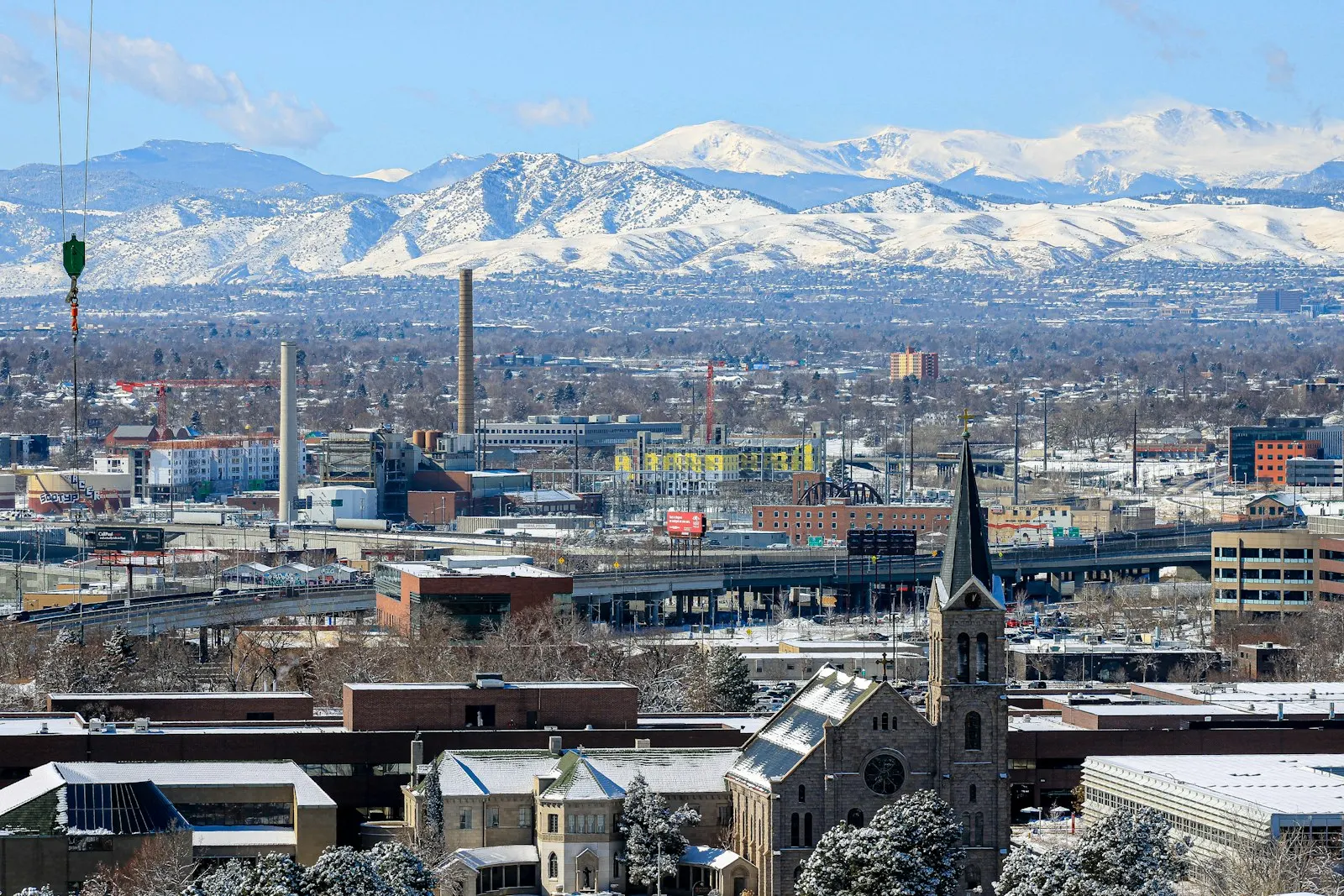
Westminster climbs from the post-war blocks off Federal Boulevard to ridge-top subdivisions above Standley Lake, and every step up changes your water pressure, your pipe era, and your freeze exposure. So we wrote these guides the way the city is built: zone by zone, terrace by terrace.
- Pressure-zone smart advice
- 1950s to 1990s housing stock
- Standley Lake water notes
- Freeze timing off the Flatirons
A city built in steps, plumbed in zones
Westminster plumbing makes the most sense once you see the city the way water sees it: as a staircase. The town steps from roughly 5,300 feet on its low side to over 5,600 on the western ridges, averaging 5,384, and the water system is carved into pressure zones to manage that climb. Your house sits at one specific spot on that staircase, and its position, low in a zone or high in one, decides more about your plumbing's daily life than the brand stamped on your water heater ever will.
Sit low and static pressure runs hot, which is why so many homes here keep a pressure reducing valve doing quiet, thankless work where the service line enters. Sit high and you can get the opposite complaint: a shower that goes limp the moment the sprinklers kick on. Same city, same water, opposite problems, sometimes on the same street.
So these guides start with position. Which terrace you're on, which era built your house, which side of the pressure map you drink from. Get those three answers right and most fixes name themselves. Get them wrong and you'll spend real money on parts for problems you don't actually have.
| Where you sit | What tends to show up |
|---|---|
| Southeast blocks off Federal (1950s-60s) | Galvanized supply, cast iron stacks, original clay laterals |
| Mid-city terraces (1970s-80s) | First-generation copper, maturing trees over the sewer |
| West-side ridges near Standley Lake (1990s) | Settling PVC laterals, long hot-water runs, sprinkler-heavy lots |
| Low position in any pressure zone | High static pressure working the regulator and every fixture |
Three housing eras, three repair playbooks
The southeast came first. Post-war ranches and split-levels near Federal Boulevard still carry their original DNA: galvanized supply pipe that chokes toward a trickle over the decades, cast iron stacks, clay sewer laterals the neighborhood elms found generations ago. Repair work here is part plumbing, part archaeology, and the honest first step is often a camera, not a wrench.
Then the city climbed. The 70s and 80s waves brought copper supply and plastic drains up the middle terraces, along with tight utility closets and the first big sprinkler systems. The 90s subdivisions up top, the ones with the Flatirons views, run PVC and long pipe chases, and they've reached the age where builder-grade valves and fittings start failing in batches. Our water heater guide and sewer line guide split their advice by era for exactly this reason: the right fix on one terrace is wasted money on another.
And scattered through all of it sits the infill. Pop-tops on 60s ranches near The Orchard's orbit, new builds on subdivided lots, a 2015 kitchen hanging off 1962 supply lines. Those hybrids are where assumptions get expensive, because the walls hide two eras spliced together, and the splice is usually where the leak starts.
Neighborhood coverage
Where we get called in Westminster
Plumbing problems cluster by neighborhood, because housing eras do. These are the Westminster areas and nearby communities our guidance is written around.
Outside these? The whole city is covered. Neighborhood names simply help us guess your pipes before you finish typing.
Climate, elevation, timing
What 5,384 feet and a Flatirons wind do to pipes
Westminster's average elevation is 5,384 feet, but the average hides the point: the city spans about 300 vertical feet, and winter works the top of that range harder than the bottom. First freeze historically lands around early October, first measurable snow near mid October, and the last spring freeze typically hangs on until early May. Call it seven months when an exposed pipe is a standing bet.
Direction matters as much as date. Northwest storms clear the Flatirons' shoulder and arrive fast, sometimes dropping the temperature 30 degrees in an afternoon while the forecast is still catching up. West-side view lots take that wind on the nose, so a hose bib or a sprinkler backflow assembly on a northwest-facing wall can freeze hours before the identical fitting two terraces down and east of it.
The snow itself is manageable, historically around 48 to 62 inches a year, and it actually insulates whatever it covers. The damage comes from the whiplash: freeze-thaw cycles working the soil around old clay laterals in the southeast, quick ice plugs forming in exterior walls up on the ridges, then a warm afternoon melting the evidence. Timing runs earlier up here than Denver proper assumes, and the guides below lean on that calendar hard.
Westminster at a glance
- Elevation
- 5,384 ft
- County
- Adams/Jefferson
- Population
- ~116,000
- First freeze
- Early Octoberhistorical average
- First snow
- Mid Octoberhistorical average
- Snow / year
- 48-62″approximate range
Westminster's first freeze historically lands in early October, about … from today. First snow tends to follow near mid October. Spring's last freeze holds on until roughly early May.
NWS forecast near Westminster: Loading…
Standley Lake water, and the pressure it rides in on
Your tap water starts on the city's west edge. Westminster treats Standley Lake water, and it arrives moderately soft, which is quietly excellent news: tanks and fixtures here don't scale up the way they do in the hard-water towns farther east. But what the water gives, the terrain takes back. Moving it across 300 vertical feet means pressure zones, and pressure zones mean some houses drink from near the bottom of the column all day, every day.
If that's your house, the pressure reducing valve is the most important part you never look at, and its partner, the expansion tank on the water heater, is the second. When a regulator drifts, pressure climbs without a sound, and every supply line, fill valve, and heater fitting starts absorbing stress it wasn't designed to carry.
The west side adds one more wrinkle: irrigation. Sprinkler-heavy landscaping on the newer terraces pulls hard on summer evenings, so pressure that reads fine at noon can swing noticeably by seven. A $10 gauge on a hose bib, checked at both hours, tells you more than any single reading ever could.
Send a Westminster plumbing question, get a mapped answer
We're a local resource and quote-matching service, and we'll be plain about what that means: no trucks of our own, no invented five-star wall, no fake tenure. You describe the problem, we read the request ourselves, and we route it toward plumbers who work the northwest metro and can tell a pressure-zone complaint from a fixture complaint on the first call. The reading part matters. A lot of bad plumbing outcomes started life as the right fix for the wrong diagnosis.
Start with the guide that matches your symptom, from a slow kitchen line to a tank that quit overnight. If water is actively going somewhere it shouldn't, skip the reading. Shut it down first. The guides will still be here once the meter stops spinning.
One habit worth stealing from how we read these requests: lead with position. 'Split-level on the middle terraces, pressure reads 85 overnight, relief valve dripping' gets a sharper match than 'water heater leaking,' and it usually gets it faster. Specifics are the local currency. Spend them freely.
Something dripping in Westminster right now?
Get a fast quoteWhat we cover here
Westminster service guides
Drain Cleaning
Slow kitchen lines in the 50s southeast, yard water crossing laterals on stepped lots, Promenade-area grease mains. Drain advice sorted by era and elevation.
→Water Heater Repair
Moderately soft Standley Lake water is kind to tanks; Westminster's pressure zones aren't. Regulators, expansion tanks, and long ridge-top hot-water runs, explained.
→Sewer Line Repair
Clay laterals under the old elm blocks, PVC settling in 90s subdivisions, lines dropping steep terrace grades. Scope first, then decide with real numbers.
→Emergency Plumbing
A failed regulator can over-pressurize old copper in an afternoon. Shutoff guidance for terraced lots, buried curb stops, and squall-night triage steps.
→Frozen Pipe Repair
Northwest wind off the Flatirons finds view-lot walls first. Freeze timing, safe thawing, and sprinkler blowouts on Westminster's calendar, terrace by terrace.
→Nearby coverage: Northglenn Broomfield Arvada All 30 cities
Questions we actually get
Westminster plumbing questions
Why is my water pressure so high in Westminster?
Probably position. The city's terraced water system runs in pressure zones, and homes sitting low in a zone can see high static pressure around the clock. Most of those houses rely on a pressure reducing valve, and when that valve drifts or fails, pressure climbs quietly. A cheap gauge threaded onto a hose bib gives you the number in two minutes, and the number settles the argument.
When should I winterize outdoor plumbing here?
Earlier than the calendar suggests. Westminster's first freeze historically lands around early October, and fast northwest squalls off the Flatirons can beat the forecast. Aim to blow out sprinklers by late September, especially on exposed west-side terraces, disconnect hoses, and insulate bibs on northwest-facing walls. The upper terraces run colder than the southeast blocks, so if you're on a ridge, treat every date as a week earlier.
Does Standley Lake water cause scale in water heaters?
Not much, and that's one of Westminster's better plumbing facts. The city treats Standley Lake supply and it runs moderately soft, so heaters here scale far slower than in hard-water towns east of the metro. The bigger local threat is pressure: a drifting regulator or a dead expansion tank works a tank's fittings and relief valve constantly. Soft water buys you years. Unmanaged pressure takes them back.
Which Westminster homes still have clay sewer lines?
Mostly the 1950s and 60s originals in the southeast, the blocks around Federal Boulevard where mature trees have had decades to find pipe joints. The 70s and 80s mid-city terraces are transitional, and the 90s subdivisions near Standley Lake generally run PVC, though settling fill gives those their own issues. If you're buying anywhere in the older half of the city, a sewer scope is cheap insurance.
Westminster, tell us what the water's doing.
One form, read by a person who knows which pressure zone you're standing in.
Get My Free Quote