
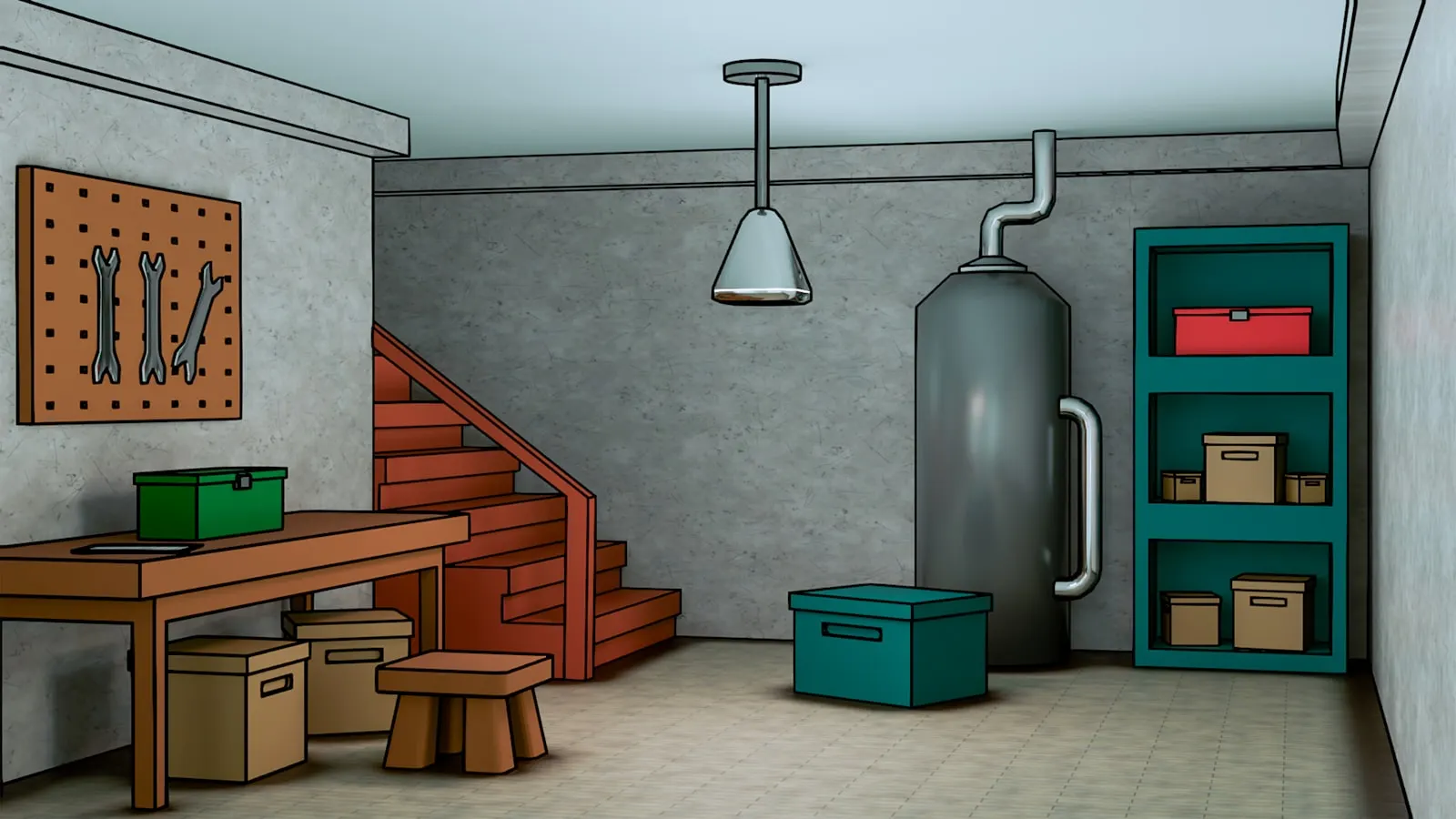
Water heater help for Westminster, Colorado
Water Heaters Westminster CO
Water Heater Repair, Installation & Replacement
Soft Standley Lake water means Westminster heaters rarely die of scale. They die of pressure. Low spots in the city's zones push static pressure high, and a tired regulator or a dead expansion tank quietly beats a tank to death. So we start the diagnosis at the gauge, not the burner.
- Diagnosis starts at the gauge
- Regulator and expansion checks
- Altitude-aware replacement math
- Long-run ridge homes covered
The kindest water, the meanest pressure
Water heater repair in Westminster comes with a twist most Front Range towns don't get: the water itself is on your side. Standley Lake supply runs moderately soft, so the scale that strangles tanks out east builds slowly here. When a Westminster heater fails young, the killer is usually mechanical, and the prime suspect is pressure. The city's terraced system runs in zones, and a house sitting low in its zone can carry static pressure high enough to work every fitting on the tank around the clock.
That's why the first tool on a heater call here shouldn't be a flashlight aimed at the burner. It should be a gauge on a hose bib. Two minutes of reading tells you whether the heater is the patient or just the victim. High pressure fakes heater symptoms convincingly: dripping relief valves, groaning tanks, fill valves that die young. Swap the heater without fixing the pressure and the new one inherits the same beating from hour one.
The stock itself is a grab bag, which keeps things interesting. Original utility closets in the 60s southeast, garage installs from the 80s waves, and 90s basements up on the ridges, many already on their second or third tank. Each setting changes venting, access, and what a swap really costs, so the era of your house rides along on every estimate.
That drip from the relief valve is a message
The classic Westminster symptom: a small puddle under the discharge pipe of the temperature and pressure relief valve, wiped up, back again by the weekend. Homeowners replace the valve, the drip returns, and the real story goes unread. On a closed system, every heating cycle expands the water, and that pressure has to land somewhere. A healthy expansion tank absorbs it. A dead one, and they die quietly after a handful of years, hands the job to the relief valve instead.
Pair that with a regulator drifting upward and you've built a tank that fights high pressure all day and expansion spikes all night. The durable fix is often a few hundred dollars of parts working together, not a new heater, but only if somebody reads the system instead of the symptom. And if the drip has gone ignored long enough to rust the tank's top connections, the math shifts again, and not in your favor.
There's a second act in the garage installs common to the 80s waves on the middle terraces. A Westminster garage can swing forty degrees between a January night and a warm afternoon, and that cycling works the tank's fittings and flex connectors harder than any conditioned closet would. Same drip, different accomplice. The gauge still gets read first, but on a garage unit the connections deserve their own look.
| Symptom | Usual direction |
|---|---|
| Relief valve drips after heating cycles | Check the expansion tank and street pressure before the valve |
| Lukewarm water on a ridge-top run | Might be the heater, might be the long pipe chase |
| Rumbling from a young tank | Sediment flush; scale builds slowly here but it isn't zero |
| Pilot won't stay lit | Thermocouple or gas valve, a classic bounded repair |
What water heater repair in Westminster really costs
Straight repairs, a thermocouple, a gas valve, an element on an electric unit, commonly land between $150 and $600 along the Front Range. A standard tank replacement typically runs $1,500 to $3,500 installed, with venting and access driving which end you hit, and tankless conversions run well past that. Altitude belongs in the conversation too: above 5,000 feet, gas appliances burn thinner air, so a unit needs to be spec'd and set up for elevation or you quietly give up capacity you paid for.
Age is the tiebreaker. Under eight years with a sound tank shell, repair usually wins, especially with soft water on your side. Past ten or twelve, and Westminster's mixed-era replacement stock holds plenty of tanks in that bracket, put the repair money toward the next unit instead. And install the expansion tank at the same time, so the new heater doesn't inherit the old one's enemies on day one.
One honest wrinkle: on low-in-zone lots, a heater estimate that never mentions your pressure is incomplete. Ask for the gauge number. It should be on the ticket. And if the answer is 'we don't check pressure,' that's useful information too. It tells you who's guessing.
Dealing with this in Westminster?
Start a quoteRidge homes wait longest for hot water
Up in the 90s subdivisions above Standley Lake, floor plans sprawl and the heater often sits a very long pipe chase away from the primary bath. You're not imagining the wait. Forty seconds of cold pipe every morning is real water and real money down the drain, all year. A recirculation loop, or a small demand pump under the farthest sink, is a modest job that changes daily life in these specific houses more than any tank upgrade would. The pump versions commonly run a few hundred dollars installed, hedged like every number on this page, and they pay for themselves in patience alone.
Two habits worth keeping anywhere in the city. Test your pressure each season, because a drifted regulator is the quiet destroyer of new heaters. And rehearse the failure: a tank holds 40 to 50 gallons that will find the low side of your house fast, so learn the cold-inlet shutoff now and skim our emergency playbook before you need it in the dark. For the metro-wide repair-or-replace picture, the Front Range water heater hub goes deeper, and the city overview shows how your terrace tilts the answer.
In Westminster, treat the water heater and the pressure system as one machine. Soft water buys you years; an unwatched regulator takes them back. Gauge first, then the expansion tank, then the heater itself. And once a unit clears a decade on a low-in-zone lot, stop repairing and start planning the replacement on your schedule, not the tank's.
Keep exploring
More for Westminster and nearby
All Westminster plumbing guides Water Heater Repair across the Front Range Northglenn Broomfield
Questions we actually get
Water Heater Repair in Westminster: quick answers
Do Westminster water heaters need expansion tanks?
If your home has a pressure reducing valve, and the city's zone layout means many do, your plumbing is a closed system: heated water expands with nowhere to go. An expansion tank gives that pressure a cushion. Without a working one, every heating cycle leans on the relief valve and the tank seams. A recurring drip at the relief valve's discharge pipe is the classic sign yours has quit.
How long should a water heater last here?
The Front Range norm is roughly eight to twelve years for a standard tank, and Westminster's moderately soft Standley Lake water tends to push you toward the friendly end of that range. Unmanaged pressure pushes the other way, hard. A tank on a low-in-zone lot with a drifted regulator can fail years early. Watch the gauge and the soft water gets to do its job.
Why does hot water take forever to reach my upstairs bath?
Distance, mostly. The sprawling 90s plans on the west-side ridges can put fifty-plus feet of pipe between heater and fixture, and every cold morning that whole run has to purge first. The heater may be fine. A recirculation loop or an on-demand pump at the far fixture shortens the wait to seconds, and it's a much smaller job than most homeowners expect.
Get your Westminster heater read right.
Tell us the symptom and the age of the house, and we'll route it to someone who checks the pressure before blaming the tank.
Get My Free Quote