
Water heater help across Arvada
Water Heaters Arvada CO
Water Heater Repair, Installation & Replacement
The water heater in an Olde Town basement ducks under joists that were rough-cut before your grandparents were born. The one in a Candelas garage burns thinner air past 5,600 feet. Same appliance, different physics. This guide covers repair, replacement, and the altitude math for both.
- Altitude-rated combustion advice
- Expansion tank straight talk
- Pre-war basement logistics
- Repair-or-replace math
Two basements, two very different problems
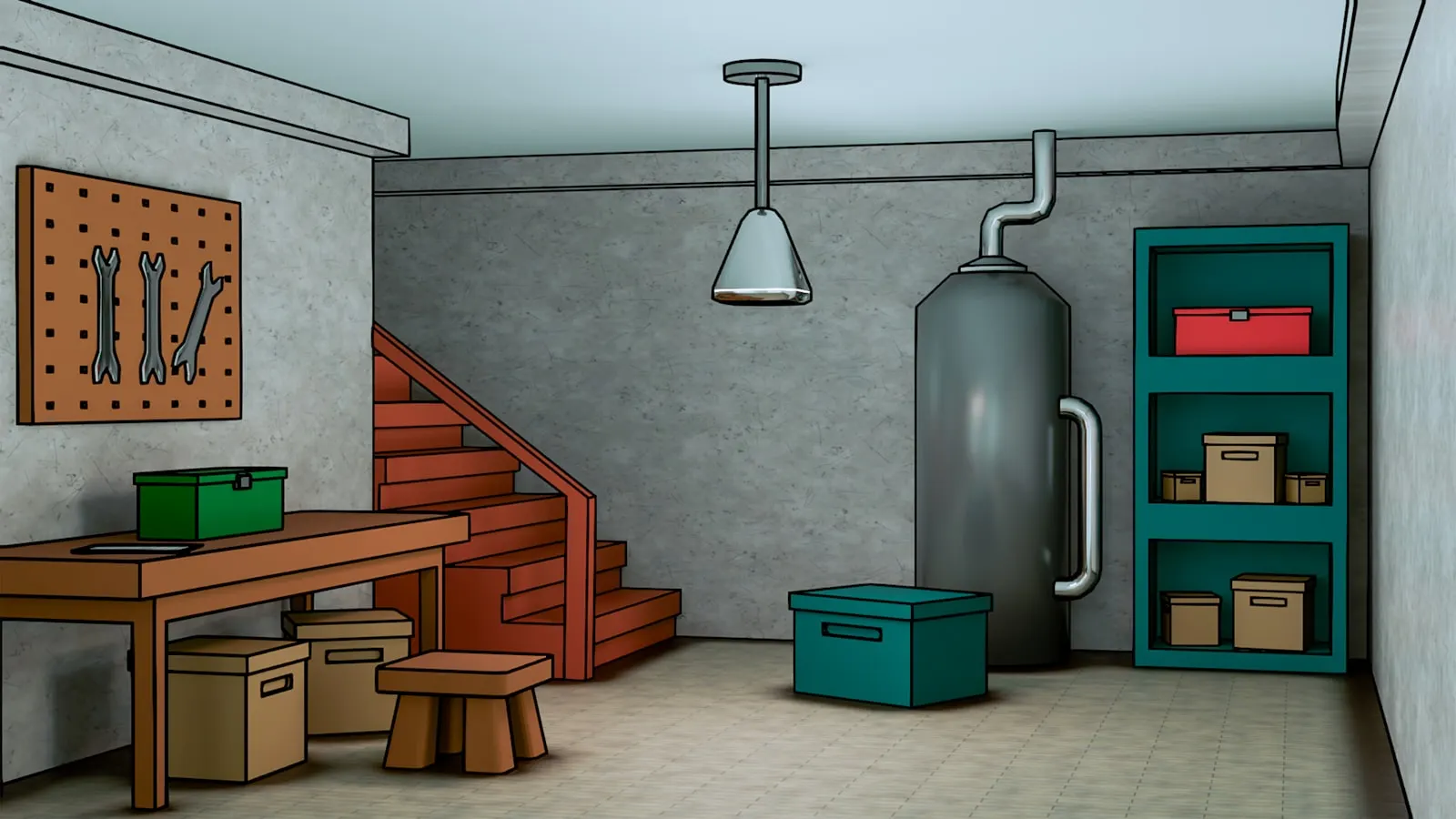
Water heater repair in Arvada splits cleanly down the middle of town. In the old core, the heater usually lives in a low pre-war basement with a stone or brick foundation, ceiling clearance measured in inches, and a stairway that was framed for coal buckets, not appliances. Getting a failed tank out of one of those basements is half rigging job, half archaeology. And the venting often ties into old masonry chimneys that were never meant for modern equipment, which turns a simple swap into a planning conversation.
Out west the problem is the air itself. Candelas and Leyden Rock sit past 5,600 feet, where gas appliances burn a thinner mix and manufacturers expect altitude-appropriate setup, either a rated model or the right orifice work. A heater that was slapped in at sea-level settings will run, mostly. It'll also run inefficient and grumpy, and it may never deliver the recovery speed printed on the box. If your west-side showers go lukewarm faster than the spec sheet promises, altitude setup belongs on the suspect list.
Between those extremes sit the ranch belts, and they fail in their own polite way. A 1970s ranch usually keeps its heater in a hall closet or the garage, easy to reach and easy to swap, which makes owners complacent. But garage installs ride closer to winter than anyone thinks about in July, and a closet framed tight around a 40-gallon tank in 1972 doesn't always accept today's better-insulated version of the same capacity without trim work. Measure the closet, not just the tank.
Read the symptoms before you pay for parts
Most heater calls start with one of four complaints, and each points somewhere specific. Cold water with a pilot that won't stay lit usually means a thermocouple or gas valve, a legitimate repair on a younger tank. Rumbling and popping on firing is sediment boiling under a hard crust on the tank floor. Water at the base is the one that ends debates: a fitting or valve can be fixed, but a weeping tank seam is a countdown you don't negotiate with. The fourth complaint, lukewarm water that never quite recovers, is the west side's specialty and the easiest one to misdiagnose from a parts catalog.
Age decides more than the symptom does. Note the serial number's date before you book anything, because money spent on a tank past its first decade is usually money you'll spend twice. The quick reads:
- Pilot won't stay lit: thermocouple or gas valve, worth repairing on a younger tank
- Rumble and pop at firing: sediment; flush it, and start budgeting if the tank's old
- Water at the base: find the source fast; a tank seam leak means replacement
- Lukewarm on the west side: check altitude setup and the dip tube before bigger spends
Repair or replace, priced honestly for Arvada
The arithmetic is blunt. Along the Front Range, small repairs like thermocouples and igniters commonly land between $150 and $350, a flush with an anode swap runs maybe $200 to $400, and a standard tank replacement typically falls between $1,500 and $3,000, with access and venting driving the spread. That Olde Town stair carry and chimney question push toward the top of the range. A roomy Candelas garage sits near the bottom.
Arvada adds one line most cities skip: pressure. West-side pressure zones can push a closed system hard, and thermal expansion with nowhere to go beats up the tank from inside. An expansion tank commonly runs $250 to $500 installed, and on the strong side of a zone it's the cheapest life-extension money can buy. If your last heater died young, test your pressure before blaming the brand. Five minutes with a gauge on a hose bib answers it, and the answer belongs in your quote conversation.
The judgment call: repair a young tank, replace an old one, and never put a new heater on old abuse. Fix high pressure first, flush yearly if you keep the tank, and treat a second major repair inside twelve months as the tank telling you something. If it's actively leaking tonight, close its cold inlet valve and head for the emergency guide before you shop for anything.
| Job | Commonly lands around | Notes |
|---|---|---|
| Thermocouple or igniter repair | $150 to $350 | Fair value on a tank under 8 years |
| Flush plus anode swap | $200 to $400 | Buys years when done early |
| Expansion tank install | $250 to $500 | Common on west-side pressure zones |
| Tank replacement, 40-50 gal | $1,500 to $3,000 | Access and venting drive the spread |
| Tankless conversion | $3,500 to $6,000+ | Gas line and vent rework included |
Dealing with this in Arvada?
Start a quoteReplacement day in a house with history
If replacement wins, the house picks the equipment as much as you do. Pre-war Olde Town basements often need short or lowboy models to clear the joists, and any unit venting into old masonry deserves a hard look from someone who understands orphaned flues, because modern efficient appliances and hundred-year-old chimneys are an awkward pairing. Power-vented and direct-vent models sidestep the chimney entirely, which is often the cleanest path in the historic core even at a higher sticker. Budget the visit for two conversations, not one: the equipment itself, and the exit path for the old tank, because a rusted 40-gallon veteran full of sediment doesn't float up a coal-era stairway on goodwill.
The new west side runs the other direction. Candelas builds tend to arrive solar-ready, which makes heat pump water heaters and efficient hybrids worth pricing while you're already deciding, and their mechanical rooms actually fit the equipment. Wherever you land, confirm the altitude rating in writing and ask how the installer handles expansion control. Those two questions, asked early, sort serious bidders from guessers faster than anything else on this page. For the wider market picture beyond city lines, the Front Range water heater hub compares how this plays out metro-wide, and the Arvada guide holds the rest of your house's story.
In Arvada the heater's address matters as much as its age. Olde Town swaps hinge on access and venting, Candelas installs hinge on altitude and pressure, and both fail early when high zone pressure goes unmeasured. Gauge the pressure, date the tank, then decide. Repairs suit young tanks; old ones want retirement, not surgery.
Keep exploring
More for Arvada and nearby
All Arvada plumbing guides Water Heater Repair across the Front Range Westminster Wheat Ridge
Questions we actually get
Water Heater Repair in Arvada: quick answers
How long do water heaters last in Arvada?
Plan around eight to twelve years for a standard tank, then adjust for pressure. Houses on the strong side of a west-side pressure zone without expansion control tend to land early in that window, while a tank behind a working pressure reducing valve can outlive the warranty with room to spare. An annual flush and an anode check are the cheapest years you can buy.
Do Candelas homes really need altitude-rated water heaters?
Past 5,600 feet, altitude setup isn't optional if you want rated performance. Manufacturers expect either a high-altitude model or the appropriate adjustment at install, because thinner air changes combustion. A unit configured for sea level will still make hot water, just less of it, less efficiently, with more grumbling. If recovery has always felt slow, ask an installer to verify the setup.
Can a modern tank even fit in my Olde Town basement?
Almost always, but measure before anyone quotes. Short and lowboy models exist for exactly these joist heights, and power-vent units solve chimneys that shouldn't host modern equipment. The real cost driver is the carry: narrow pre-war stairs add labor, and a tight turn can force draining the old tank completely before it moves. Photos of the stairway make your quotes far more accurate.
No hot water in Arvada?
Tell us the tank's age, where it lives, and what it's doing, and we'll get your quote in front of the right hands.
Get My Free Quote