
Hot water help for Wheat Ridge, Colorado
Water Heaters Wheat Ridge CO
Water Heater Repair, Installation & Replacement
In a one-bath brick ranch, the water heater isn't an appliance, it's the whole morning. This guide covers the 50s utility rooms these tanks live in, the galvanized-to-copper piping that confuses diagnosis, and how to decide between repair and replacement without getting upsold.
- One-bath household triage
- Transition-era pipe diagnosis
- Honest repair-or-replace math
- Altitude-aware sizing advice
The 50s utility room meets its fourth tank
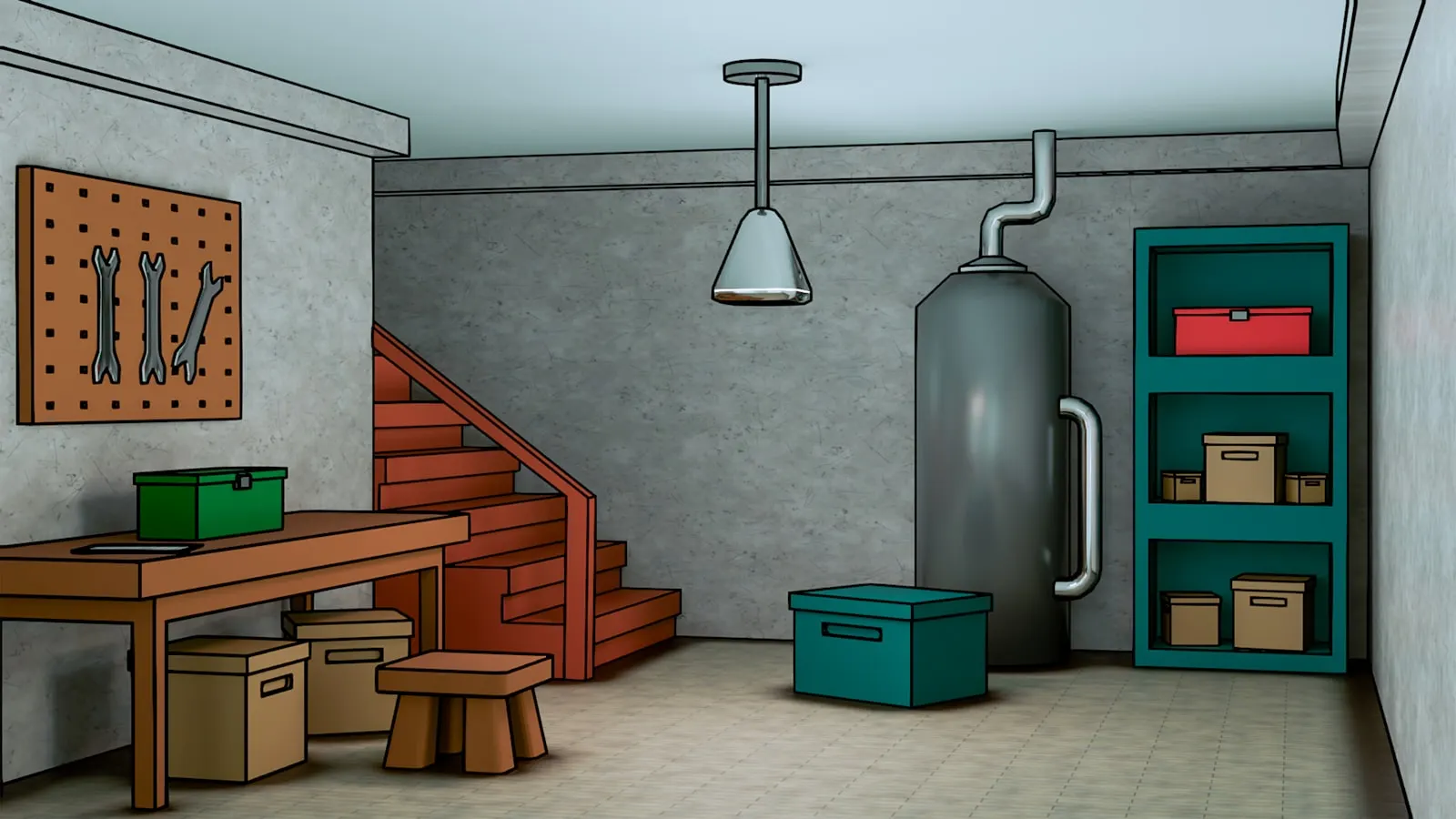
Water heater repair in Wheat Ridge usually starts in the same little room: the utility space off the kitchen or in the corner of the basement, sized in 1952 for a wringer washer and a 30-gallon tank, now hosting its third or fourth heater along with the furnace, a chest freezer, and forty years of garden tools. Clearances are tight. Venting was designed for a different appliance. And the shutoff valve on the cold line may not have been turned since the Nixon administration.
The stakes are different here too. These are modest houses with one bathroom and one kitchen, which means a dead heater doesn't inconvenience the household, it stops it. No second shower to limp along with. So the practical question isn't just what's wrong with the tank; it's how fast the fix can land, and whether this repair is the last sensible one before replacement. Worth thinking through now, on a calm day, rather than at 6 a.m. with cold water coming out of the showerhead.
Demand shapes everything in these houses. One shower, one kitchen sink, a washer that runs twice a week: the load is small and predictable, like a garden bed you've watered for years. That's genuinely good news. It means recovery speed and tank size matter less than reliability, and it means the right fix is usually the boring one, not the biggest thing on the truck.
Rusty hot water and the transition-pipe trap
Here's the diagnostic trap these houses set. Many Wheat Ridge ranches are transition homes: original galvanized steel partially replaced with copper over the decades, section by section, owner by owner. So when the hot water runs rusty, there are two suspects, the aging tank and the aging supply pipe, and they get confused for each other constantly. Homeowners replace a healthy tank because the water looked rusty, and the rust keeps coming, because it was the galvanized talking all along.
The sorting test costs nothing. Run cold water alone into a white bucket, then hot alone. Rust on both sides points to the supply piping. Rust on the hot side only points at the tank, most often a spent anode rod, the sacrificial part that's supposed to corrode so the tank liner doesn't. Catch a failing anode early enough and a $50 part can add years. Miss it and the tank shell starts rusting from the inside, which no part can undo.
- If only hot taps run rustysuspect the anode rod or tank liner first
- If hot and cold both run rustyyour galvanized supply is talking, not the tank
- If the tank shell itself weeps or leaksstop repairing and plan the replacement
Water heater repair in Wheat Ridge: the one-bath math
Most repairs are small and worth doing. Thermocouples, igniters, thermostats, elements on electric units, relief valves: along the Front Range these commonly land between $150 and $600 depending on the part and the access, and on a tank under ten years old they're usually money well spent. A standard tank replacement, in broad hedged numbers, commonly runs $1,500 to $3,500 installed, with tight utility-room access and venting updates pushing toward the high end in these older houses.
Altitude belongs in the conversation. At 5,459 feet, gas burners get less oxygen and appliances lose a slice of their rated output, so a tank that was marginal at sea level is undersized here. The good news is that a one-bath ranch doesn't need much: a properly working 40-gallon tank covers a two-person household with room to spare. Be politely skeptical of tankless pitches for these homes. The technology is fine, but the venting and gas line upgrades in a 1950s utility room can double the invoice for capacity a small house will never use.
The judgment line I'd draw: under 10 years old and the shell is dry, repair it. Past 12 years, or any moisture on the shell itself, put the money toward replacement, on your schedule instead of the tank's. A planned swap is a calm Tuesday. A burst tank in a utility room off the kitchen is a mop-and-fans day, and if it lets go hard, it becomes an emergency call with drywall attached.
| Symptom | Likely fix | Broad range |
|---|---|---|
| Pilot won't stay lit | Thermocouple or gas valve | Roughly $150 to $500 |
| Lukewarm electric tank | Element or thermostat | Roughly $200 to $450 |
| Rust on hot side only | Anode rod replacement | Roughly $150 to $350 |
| Water at the tank base | Replacement, not repair | Roughly $1,500 to $3,500 |
Dealing with this in Wheat Ridge?
Start a quoteBuying the next tank ten quiet years
Maintenance here is unglamorous and effective, like composting. Flush the tank once a year to move sediment out before it bakes onto the bottom and starts that popcorn rumble. Have the anode rod checked around year five. Water hardness varies across Wheat Ridge's patchwork of small water districts, so ask your own supplier what you're working with; harder water means faster sediment and a shorter anode life, and the maintenance schedule should tighten to match.
Two cheap upgrades punch above their weight in these houses. A drain pan piped somewhere sensible, because a slow tank leak in a utility room can wick into 70-year-old flooring for weeks before anyone notices. And a fresh ball valve on the cold inlet, so the next emergency can be stopped at the tank instead of at the main. Small stuff. It's the difference between a contained annoyance and a soaked kitchen subfloor.
One more habit worth borrowing from the garden shed: look at the thing occasionally. Once a season, put eyes on the tank's base for rust trails, listen for new rumble, sniff for gas near the burner door. Heaters telegraph their failures for months. If you're comparing notes across the city line, our Arvada water heater guide covers how newer housing stock changes the calculation.
Keep exploring
More for Wheat Ridge and nearby
All Wheat Ridge plumbing guides Water Heater Repair across the Front Range Arvada Lakewood
Questions we actually get
Water Heater Repair in Wheat Ridge: quick answers
My hot water smells like rotten eggs. Is the tank dying?
Probably not dying, but it's asking for attention. That sulfur smell usually comes from harmless bacteria reacting with a decaying magnesium anode rod inside the tank. Swapping to an aluminum-zinc anode and flushing the tank clears it in most cases. Since districts across Wheat Ridge draw from different sources, the smell can appear in one neighborhood and not the next. It's a maintenance flag, not a death notice.
How long should a water heater last in Wheat Ridge?
Plan around 8 to 12 years for a standard tank, with your water district's hardness nudging that in either direction. The tank's birthdate is coded into the serial number on the label, and it's worth decoding, because many of these houses trade hands with the heater's age unknown. Past year ten, start budgeting; past year twelve, every repair quote should be weighed against replacement.
Can I fit a bigger tank in my original utility room?
Sometimes, but measure before you dream. Newer tanks carry thicker insulation, so a modern 50-gallon is fatter than the 40 it would replace, and 1950s utility rooms have no slack. Venting and clearances also come into play in tight quarters. The honest question is demand: for a one-bath ranch, a healthy 40-gallon tank almost always covers it, and right-sizing beats up-sizing.
Cold shower in Wheat Ridge this morning?
Tell us the symptom and the tank's age, and we'll route you to local pros who can quote it straight.
Get My Free Quote