
Tank help for west-side houses
Water Heaters Lakewood CO
Water Heater Repair, Installation & Replacement
Half of Lakewood keeps its water heater in a 1950s utility room the size of a coat closet. The other half keeps it in an unheated garage on Green Mountain. Same appliance, different life expectancy, completely different repair conversation.
- Garage tanks and cold floors
- Repair or replace, honestly
- Pressure and elevation quirks
- Fast, free local quotes
Where these houses hide their water heaters
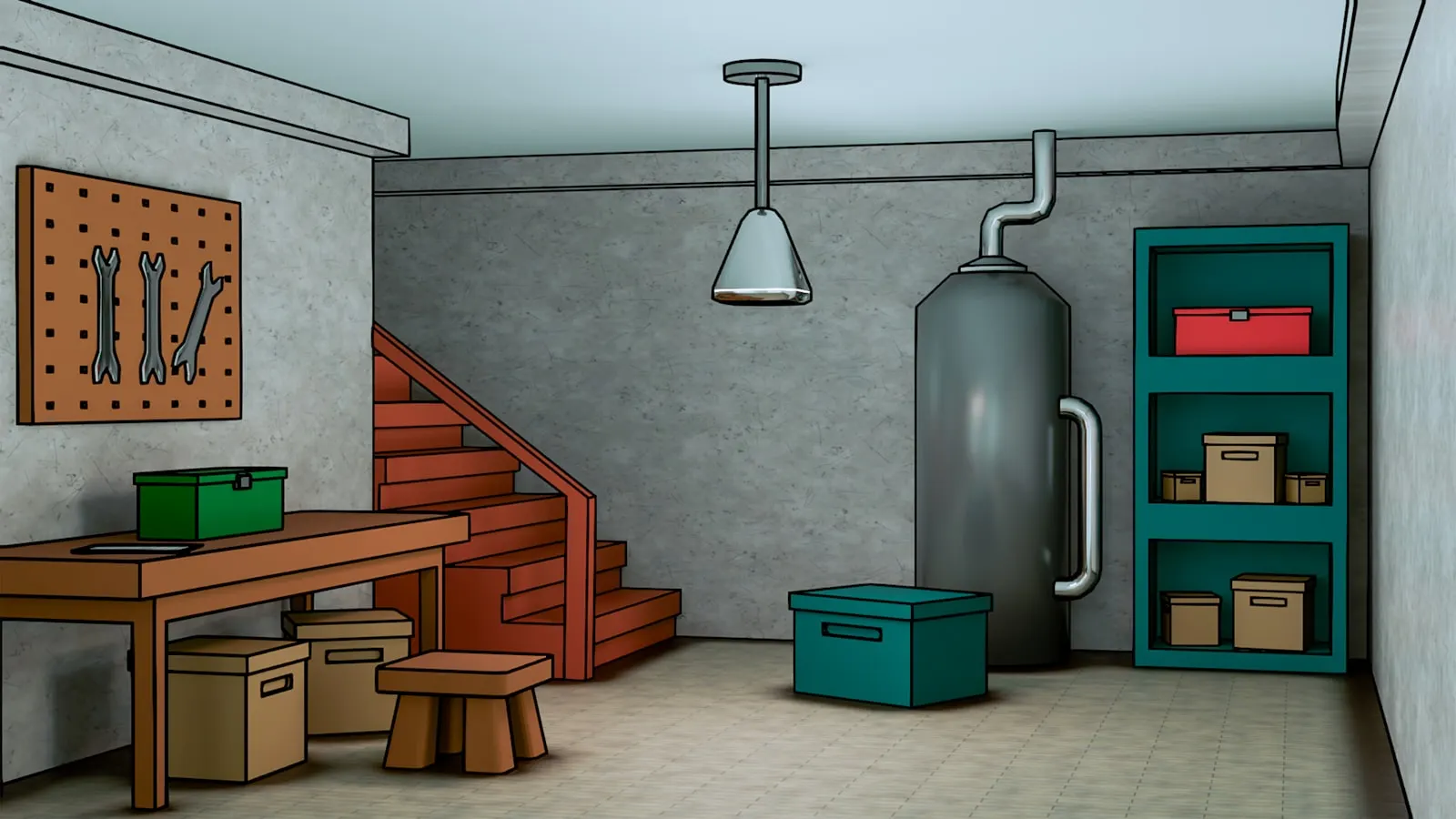
Water heater repair in Lakewood starts as a location problem. In the fifties and sixties utility rooms, the tank stands shoulder to shoulder with the furnace, the electrical panel, and forty years of accumulated storage, and there's often barely eighteen inches of clear floor in front of it. In the tri-levels and the eighties and nineties Green Mountain builds, it usually lives in the garage, sometimes up on a platform, always colder than the rest of the house.
Both spots do something to the equipment. A cramped utility room means restricted air movement around a gas appliance and a service call that begins with somebody moving Christmas decorations into a hallway. A garage install means the tank fights ambient temperature every winter morning, cycles more often to hold setpoint, and quietly puts that standby loss on your bill from November through March.
Then there's the run itself. Garages and utility corners sit at one end of the house, so hot water has to travel through joist bays and up a level or two before it reaches the far bathroom. In a tri-level that's a long, cold trip through unheated space. People blame the heater for a wait that's really a distance problem, replace a perfectly good tank, and wait exactly as long afterward.
What fails first, and in what order
Tanks announce themselves before they quit, usually with sound. Rumbling or popping during a heat cycle means sediment on the bottom, and sediment is an insulating blanket sitting between the burner and the water, so the steel above it runs hotter than the design ever intended. Water that goes lukewarm halfway through a shower in an electric unit often means a lower element or thermostat. Rusty hot water with clear cold water means the lining is going, and no part on the shelf fixes that.
The pieces worth replacing are the ones that wear rather than corrode: thermocouples, gas control valves, elements, thermostats, the temperature and pressure relief valve, and the anode rod. The anode is the one almost nobody thinks about. It's a sacrificial metal rod that corrodes on purpose so the tank doesn't, and even in a soft-water city like this one it can be gone by year six or seven. Replacing it on a five-year-old tank buys real years. Replacing it on a twelve-year-old tank buys disappointment.
Age settles most arguments. Under eight years, repair almost always wins on math alone. Past twelve you're maintaining something that already beat the odds, and in this city it's often doing that above a finished floor or against a garage wall shared with drywall.
- Tank is under 8 and one part failedFix the part, and check the anode while it's open
- Tank is 8 to 12 with rust in the hot waterStart pricing replacement before it picks the date for you
- Tank is past 12 above finished spaceReplace it on your schedule, not at 2 a.m. in February
What water heater repair in Lakewood actually runs
Common repairs land in a fairly narrow band along the Front Range. A thermocouple or element swap usually runs a couple hundred dollars installed. A gas control valve costs more than that. A full flush with a new anode rod on a tank worth saving generally sits in the low hundreds. Replacement is where the spread opens wide: a straightforward like-for-like gas tank swap commonly runs into four figures, and it climbs from there for tankless conversions, venting changes, or anything that drags new gas or electrical work into the job.
Access moves that number further than brand does. Getting a fifty-gallon tank down the stairs of a 1957 split entry, around a tight corner, and past a furnace is real labor, and hauling the old one back out is the same labor in reverse while it's full of sediment. A garage install on a slab with a roll-up door twenty feet away is not the same job at all. When two Lakewood quotes come back far apart, compare what each one assumes about getting in and out before you compare equipment.
Elevation belongs in the conversation too. Between the 5,400-foot flats and the 6,000-foot ground on Green Mountain, combustion appliances need proper air and venting to burn cleanly, and equipment gets specified with that in mind. It isn't exotic and it isn't a sales angle. It's a reason to use somebody who installs up here every week instead of the cheapest quote from a search page.
Age beats symptoms when you're deciding. A six-year-old tank with a dead thermocouple is a cheap fix and a good outcome. A thirteen-year-old tank with the identical symptom is a countdown clock, and replacing it on a Tuesday in September costs less and hurts less than replacing it on a Sunday in January with water spreading across the floor.
Dealing with this in Lakewood?
Start a quoteSizing and setup for a house that climbs
Recovery rate matters more than raw capacity in a lot of these houses. Two teenagers, one bathroom on the upper level of a tri-level, and a garage tank in February will empty a forty-gallon unit faster than any spec sheet suggests, because the incoming water is cold and the run to the fixture is long. Sizing up one step, or moving to a higher recovery model, usually costs less than the family arguments do.
Pressure deserves a look while somebody's already standing there with a gauge. Green Mountain's grade means the city sits across different pressure zones, and a house sitting low in its zone can see pressure high enough to shorten the life of every valve, fixture, and appliance in the building, the water heater included. A regulator is a modest part. A slow leak behind finished drywall is not modest at all.
A few habits carry the rest. Flush the tank annually if it sits near a floor drain, keep two feet of clear space in front of it so a service call doesn't start as a moving job, and put a pan with a leak alarm under any tank above finished space. If yours quits on a holiday weekend, our Lakewood emergency page covers what to shut off and in what order, and the Front Range overview digs further into tank versus tankless.
Keep exploring
More for Lakewood and nearby
All Lakewood plumbing guides Water Heater Repair across the Front Range Denver Wheat Ridge
Questions we actually get
Water Heater Repair in Lakewood: quick answers
What is a realistic lifespan for a tank on the west side?
Eight to twelve years is the honest range for a standard tank in this climate, and garage installs tend toward the lower end because they run against cold ambient air all winter. Soft water helps, and an anode rod replaced on schedule adds years to it. Past twelve, every additional winter is a bonus, no matter how well the thing behaved last week.
Why is the wait for hot water so long upstairs?
In tri-levels and split entries, the tank usually sits at one end of the house and the farthest bathroom is two levels away, so you're waiting on the whole pipe run to warm up before anything hot arrives. That's plumbing geometry, not a broken heater. A recirculation setup or a small point-of-use unit solves it, but confirm the tank itself is healthy first.
Is a tankless unit worth it up here?
Sometimes. Tankless makes the most sense when you're already changing venting or gas supply, when the tank location is genuinely cramped, or when a household runs out of hot water on a regular basis. It's a bigger install than a straight swap and it costs more up front. If your current tank is jammed into a 1950s utility closet, the conversion often hands you the floor space back.
Cold shower in Lakewood?
Give us the tank's age, the room it sits in, and the symptom, and you'll get a real answer instead of a sales pitch.
Get My Free Quote