
Water heater guidance for Denver, Colorado
Water Heaters Denver CO
Water Heater Repair, Installation & Replacement
Your tank lives in a basement dug for a coal furnace, under a ceiling you can touch, venting into a brick flue older than the state highway system. Water heater repair in Denver has to respect that geometry, plus the thin air at 5,280 feet.
- Half-height basement realities
- Tight brick flue know-how
- Altitude-aware sizing talk
- Repair-or-replace math
The coal-cellar problem
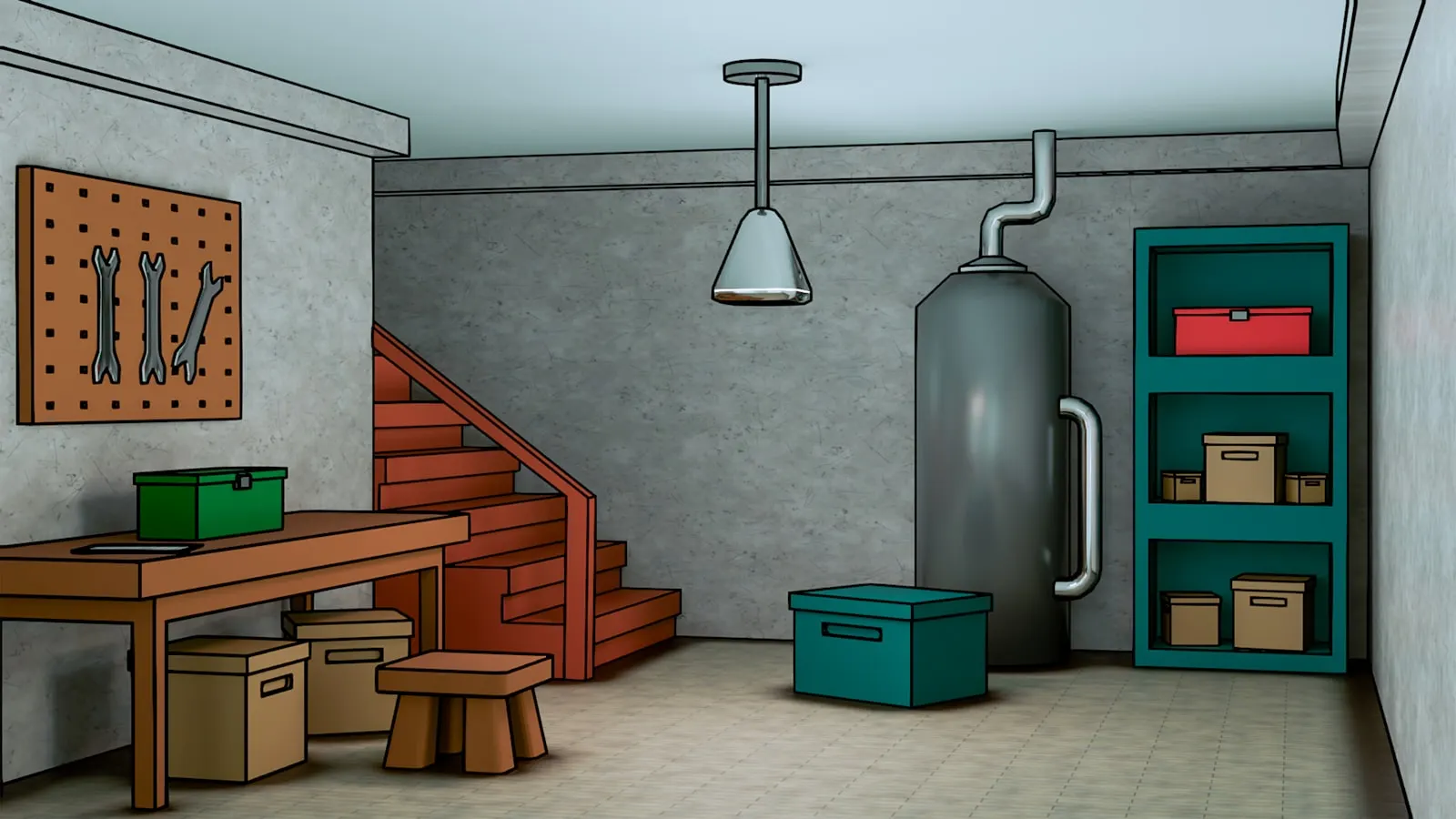
Water heater repair in Denver comes with a geometry lesson. The tank in a Capitol Hill or Wash Park basement lives in a space excavated for a coal furnace and a laundry sink, with a ceiling around six feet on a generous day and a staircase that turns twice. Getting a modern 50-gallon tank down there is a moving-day puzzle. Venting it is the real trick: these houses breathe through masonry chimneys built when everything in the basement burned something, and the flue's condition quietly decides what you're allowed to install next.
So when the pilot won't stay lit or the hot water runs rusty, the question is never just fix it or swap it. The real question is what this basement, this flue, and this gas line will allow, and what each answer costs. That's the conversation this page tries to have with you honestly, before a sales pitch gets the chance to have a different one.
It shapes rentals and remodels too. Plenty of gentrification-era renovations put heated floors and rainfall showers upstairs while the original mechanical room kept its 1990s tank and its 1920s chimney. The upstairs is living in one century. The basement is billing you from another.
Sorting a repair from a retirement
Some symptoms are cheap and some are terminal, and telling them apart saves real money. A failed thermocouple or a stuck gas valve is a service call. A leak from the tank body itself is a funeral: the glass lining has failed, the steel is rusting through, and no part on any truck fixes that. In between sit the judgment calls, the rumbling, the lukewarm mornings, the slow decline that Denver's soft water postpones but never cancels.
Because that's the local advantage worth naming: Denver Water's snowmelt barely scales a tank, so heaters here routinely outlive the same model installed on hard prairie water a county east. Don't let it breed complacency. The anode rod still sacrifices itself on schedule, sediment still settles, and a fifteen-year-old tank in a finished basement is a bet with your drywall as the stake.
Age is the tiebreaker when symptoms argue. Pull the date code off the serial number, do the math honestly, and weigh the location: a tank standing over a working floor drain has permission to fail gracefully, while one wedged beside the finished rec room does not. Denver's basement remodel wave has quietly raised the stakes on a lot of old tanks that used to be surrounded by concrete and nothing worth ruining.
| Symptom | Usual culprit | Repair or replace? |
|---|---|---|
| Pilot won't stay lit | Thermocouple or gas valve | Repair, usually inexpensive |
| Rusty hot water only | Anode rod spent, tank rusting | Replace soon; start planning |
| Water pooling under tank | Tank body leak | Replace, and close the cold valve now |
| Rumbling or popping | Sediment on the burner plate | Flush it; soft water makes this rarer here |
| Lukewarm at every tap | Dip tube or element failing | Repair if young, replace past ten years |
The real math on water heater repair in Denver
Straightforward repairs, things like thermocouples, elements, and gas valves, commonly land between $150 and $600 along the Front Range, with parts and access driving the spread. A like-for-like tank swap most often runs somewhere in the $1,800 to $3,500 band around here, and the old-house variables pick your end of it: the carrying distance down those turning stairs, drain access, and what the venting looks like once somebody honest actually inspects the chimney it ties into.
Tankless conversions cost meaningfully more in prewar Denver than the advertising suggests, because the unit is the cheap part. Upsizing a 1920s gas line, punching new venting through double-wythe brick, and adding a condensate path is where the money goes. Sometimes it's worth every dollar, especially where a half-height basement turns each future tank swap into a wrestling match. And sometimes the honest answer is a good tank, a flue liner, and a decade of not thinking about it.
A scheduling note from the calendar: heaters fail hardest during cold snaps, when incoming water runs coldest and the whole block showers hot. If yours is wobbling in September, deal with it before early October does, because the first freeze week is the worst possible audition for a dying burner.
Dealing with this in Denver?
Start a quoteOrphaned flues, high-rises, and remodels that skipped the basement
The bungalow belt's chimneys keep plumbers humble. When a furnace gets upgraded to high-efficiency sidewall venting, the water heater is often left orphaned on a masonry flue sized for two appliances, which drafts poorly and ages the chimney from the inside. If your furnace was replaced recently and the water heater wasn't, ask specifically about the flue. In our experience it's the most commonly skipped question in Denver mechanical rooms, and the answer changes both the safety picture and the replacement quote.
Two more local wrinkles. Downtown and around Cheesman, high-rise and condo buildings often run central boilers or shared systems governed by HOA rules, so learn what you actually own before calling anyone. And if a tank ever lets go outright, treat it as an emergency shutoff situation first and an appliance decision second. For the corridor-wide view of how water and altitude shift the math town by town, our Front Range water heater guide is the wide-angle lens, and the rest of our Denver coverage maps the housing eras behind all of this.
Small parts matter at swap time too. Expansion tanks, drip pans, and a pan drain that actually goes somewhere are the unglamorous line items that decide how bad the eventual failure is, and old Denver basements frequently lack all three. If a replacement quote includes them, that isn't padding. That's someone who has watched what a dying tank does to a century-old basement and priced the lesson in.
In Denver's old housing stock, the water heater is rarely the whole question. The flue, the gas line, the stairs, and the basement ceiling all get a vote. Repair the cheap failures, plan replacement from age ten onward, and never accept a tankless quote that doesn't price the venting and gas work out loud.
Keep exploring
More for Denver and nearby
All Denver plumbing guides Water Heater Repair across the Front Range Englewood Lakewood
Questions we actually get
Water Heater Repair in Denver: quick answers
How long do water heaters last in Denver?
Longer than average, thanks to Denver Water's soft snowmelt. Scale is the great tank killer, and there's very little of it here, so tanks that die at eight years in hard-water towns often push twelve to fifteen in Denver. The anode rod is the lever you control: have it checked every few years, replace it when it's spent, and the tank's steel keeps its bodyguard.
Does altitude really affect my water heater?
Yes, measurably. At 5,280 feet the air is thinner, so gas burners produce less heat than their sea-level rating and manufacturers call for altitude adjustments or derating. In practice that means a Denver heater sized right at the ragged edge will feel undersized here, and tuning matters more. A pro who works this market accounts for it; a spec sheet read at face value doesn't.
Should I repair or replace a 12-year-old tank?
Ask two questions. First, what failed: a thermocouple or valve is a cheap fix even on an older unit, but any leak from the tank body itself ends the discussion. Second, where does it sit: a tank over a basement floor drain earns more patience than one beside finished drywall or upstairs carpet. Past twelve years, put repair money toward the replacement fund.
Get the tank question answered straight.
Describe the symptom, the basement, and the tank's age, and we'll route it to someone who can do the math with you.
Get My Free Quote