
Hot water guidance for Englewood's pre-war housing
Water Heaters Englewood CO
Water Heater Repair, Installation & Replacement
In most towns a water heater swap is routine. In Englewood the tank lives in a shallow cellar under a 1920s bungalow, vents into an unlined brick chimney, and shares a panel that was generous in 1948. Repair or replace here is a house question, not a tank question.
- Cellar and crawlspace installs
- Brick chimney flue checks
- Honest repair-or-replace math
- Altitude derating explained
The heater lives down the steep stairs
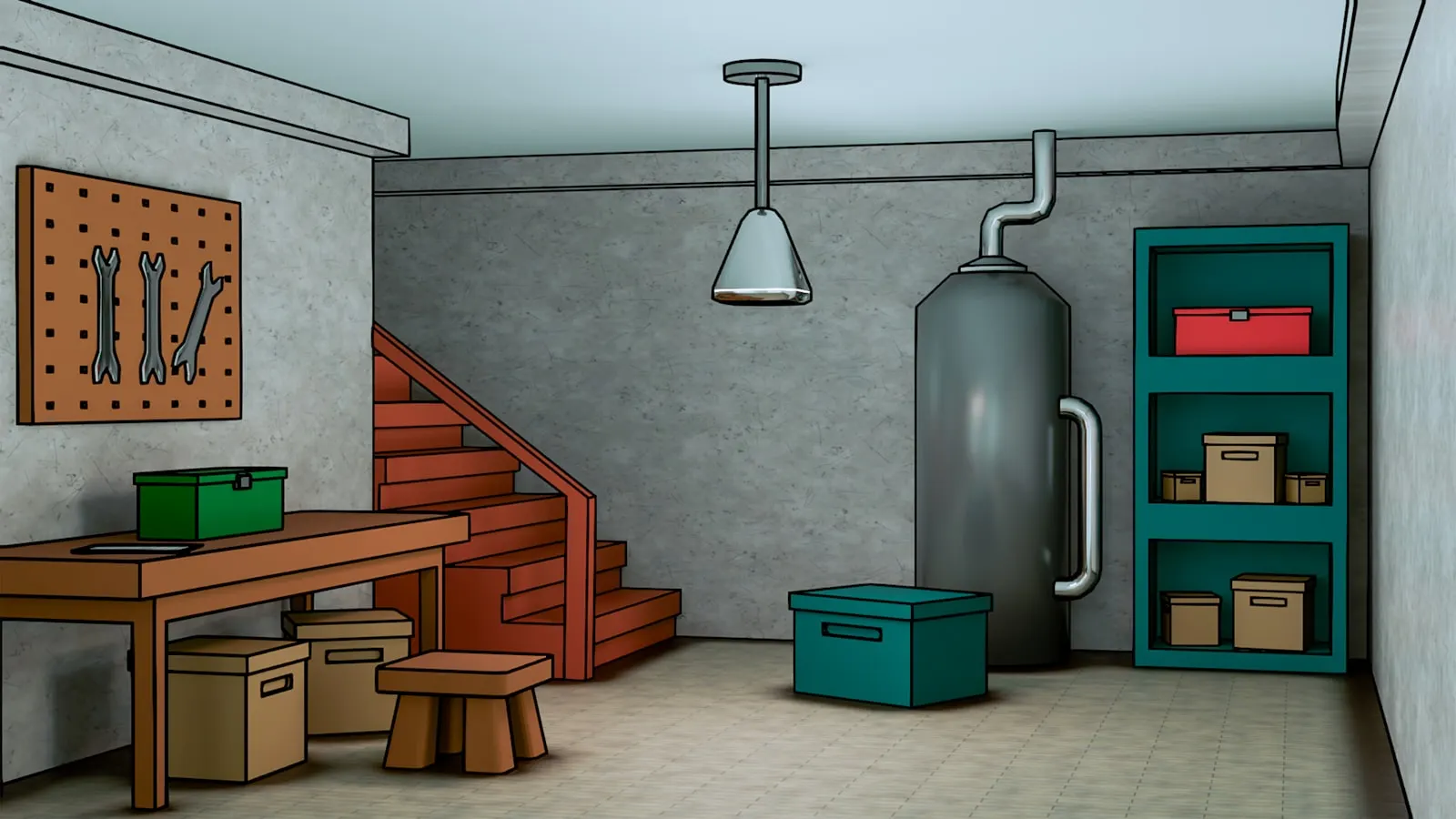
Water heater repair in Englewood usually starts with a flashlight and a low ceiling. These bungalows were built with cellars, not basements: six feet of headroom on a good day, a staircase pitched like a ladder, and a floor that's seen a century of spring moisture off the South Platte alluvium. The tank down there rusts from the bottom up, the burner breathes whatever the cellar breathes, and getting the old unit out is a two-man wrestling match with a corner at the top of the stairs.
None of that makes the job impossible. It makes the job specific. A plumber quoting your replacement sight unseen is guessing about the two things that set the price here: the carry and the venting. When you request a quote, say the words cellar stairs out loud, and mention the chimney while you're at it. You'll get numbers that survive contact with the house.
Cellar air is the other quiet variable. Spring moisture off the river gravel keeps these floors damp well into June, and a burner pulling combustion air from a damp, dusty cellar runs dirtier than the same unit in a modern utility room. Ten minutes with a shop vac around the burner intake once a year is real maintenance here, not fussing. So is a look at whatever the tank is standing on, because the slab under a 1920s bungalow was poured thin and it wicks.
Check the chimney before the tank
Most of these houses vent the water heater into an unlined brick chimney, and for decades that chimney also carried a furnace's exhaust, which kept it warm and dry enough to work. Then the furnace got upgraded to a modern unit venting out the side wall, and the water heater got orphaned: a small appliance puffing warm, wet flue gas alone up a big cold masonry stack. The moisture condenses, the mortar eats it, and over years the chimney crumbles from the inside where nobody looks.
So before you spend on the tank, spend ten minutes on what's above it. The table below covers the usual suspects. And notice how many symptoms point at the flue, not the heater: white powder on the brick, damp staining near the chimney, a pilot that won't stay lit on windy nights. The heater is often the healthiest part of the system it's attached to.
| What you notice | Likely culprit | The move |
|---|---|---|
| White chalky powder on chimney brick | Flue gas condensation in unlined masonry | Have the flue evaluated before replacing anything |
| Pilot dies on windy nights | Poor draft in an oversized cold chimney | Draft test, consider a liner or new vent path |
| Rust streaks at the tank bottom | Damp cellar floor plus age | Plan replacement, put it on blocks this time |
| Rumbling on burner start | Sediment boiling in the tank | Flush it, then decide repair or replace by age |
What water heater repair in Englewood actually costs
Small repairs stay small: thermocouples, elements, gas valves, and anode swaps commonly run from under a hundred dollars into the mid hundreds along the Front Range, parts and labor. A like-for-like tank replacement commonly lands somewhere between $1,500 and $3,500 installed, and in Englewood the spread is mostly access and venting: the cellar carry, the flue work, bringing old connections up to snuff. Round numbers, hedged on purpose. The house sets the price more than the tank does.
Now the tankless question, because everybody asks. Plenty of these houses still run modest electrical services, some barely beyond the 30-amp era, and a whole-house electric tankless wants more amperage than the entire building was wired to deliver. Gas tankless is more realistic, but it needs its own vent path and usually a larger gas line than a 1920s house was piped with. Sometimes the upgrade math works. Often, a well-installed tank on a clean flue is the honest answer for this housing stock.
So where does that leave repair-or-replace? Age and floor rust rule it. Any single-part failure on a tank under eight years old is worth fixing. Past twelve, with rust at the base seam, stop putting parts on it: you're restoring a boat that's already taking on water. In between, let the flue break the tie. If the chimney needs a liner anyway, folding that into a planned replacement beats paying for the work twice.
- If the tank is under 8 years old and quitrepair it, most single-part fixes are cheap
- If it's past 12 with rust at the basebudget replacement now, on your schedule, not its
- If you're dreaming tankless on an old panelprice the electrical and gas work first, then decide
Dealing with this in Englewood?
Start a quoteAltitude, venting, and buying right at 5,371 feet
One more Englewood wrinkle: elevation. At 5,371 feet the air is thinner, and gas appliances lose capacity, roughly a few percent per thousand feet above sea level by most manufacturers' guidance. A heater that was marginal for your household at sea level ratings comes up genuinely short here. Good installers size for it without being asked. It's worth asking anyway, because recovery speed is the difference between the second shower being warm or a negotiation.
Sizing matters more than it used to, because households grow into bungalows. A tank that served a couple just fine gets found out the month a teenager discovers long showers. If you're replacing anyway, price one size up and read the recovery-rate line on the spec sheet, not just the gallons. At this elevation, the recovery number is the one doing the work. And ask what happens to the old tank: hauling it up those stairs is part of the job, and a bid that doesn't mention it hasn't pictured your cellar yet.
If a burst tank has already made the decision for you, the emergency guide covers shutting down water and gas in the right order. For the wider repair-or-replace picture across the metro, the Front Range water heater hub is worth a read, and neighbors in Denver's bungalow belt face nearly the same cellar-and-chimney math. Around here, the heater is rarely just a heater. It's an appliance, a flue, and a staircase, priced together.
Keep exploring
More for Englewood and nearby
All Englewood plumbing guides Water Heater Repair across the Front Range Littleton Denver
Questions we actually get
Water Heater Repair in Englewood: quick answers
How long do water heaters last in Englewood cellars?
Tanks commonly give eight to twelve years, and damp cellars push you toward the short end because the bottom rusts where it meets the floor. Two cheap life-extenders: set the new tank on blocks above the slab, and have the anode rod checked every few years. The anode is a sacrificial part designed to corrode first. Replace it and the tank keeps winning.
Can I put a tankless unit in my bungalow?
Sometimes, but price the whole picture first. Electric whole-house units usually need more amperage than an older Englewood service can offer without a panel upgrade. Gas units need a dedicated vent and often a bigger gas line than the house was piped with. Add those numbers to the unit and install. If the total makes you wince, a quality tank is not a defeat.
My water heater vents into the brick chimney. Is that a problem?
It can be, especially if a newer furnace no longer shares that chimney. An orphaned water heater flue in unlined masonry condenses moisture, decays mortar, and can draft poorly enough to backdraft. Get the flue looked at when anything gets replaced, and put a carbon monoxide alarm near the bedrooms regardless. Old chimneys fail quietly, which is exactly the problem.
Cold showers in a cellar-heater town?
Tell us the tank's age and where it lives, and we'll route you to plumbers who've hauled one up bungalow stairs before.
Get My Free Quote