
Hot water help for Aurora, Colorado
Water Heaters Aurora CO
Water Heater Repair, Installation & Replacement
Aurora's water is a feat of engineering that happens to be hard on tanks. Add a full household running showers back to back and an original 40-gallon heater in a hallway closet, and you get this city's most common call: not enough hot water, again, on a school morning.
- Scale and sediment, handled
- Honest repair-or-replace math
- Tract-era closet installs
- Sizing for full households
A closet tank doing big-family work
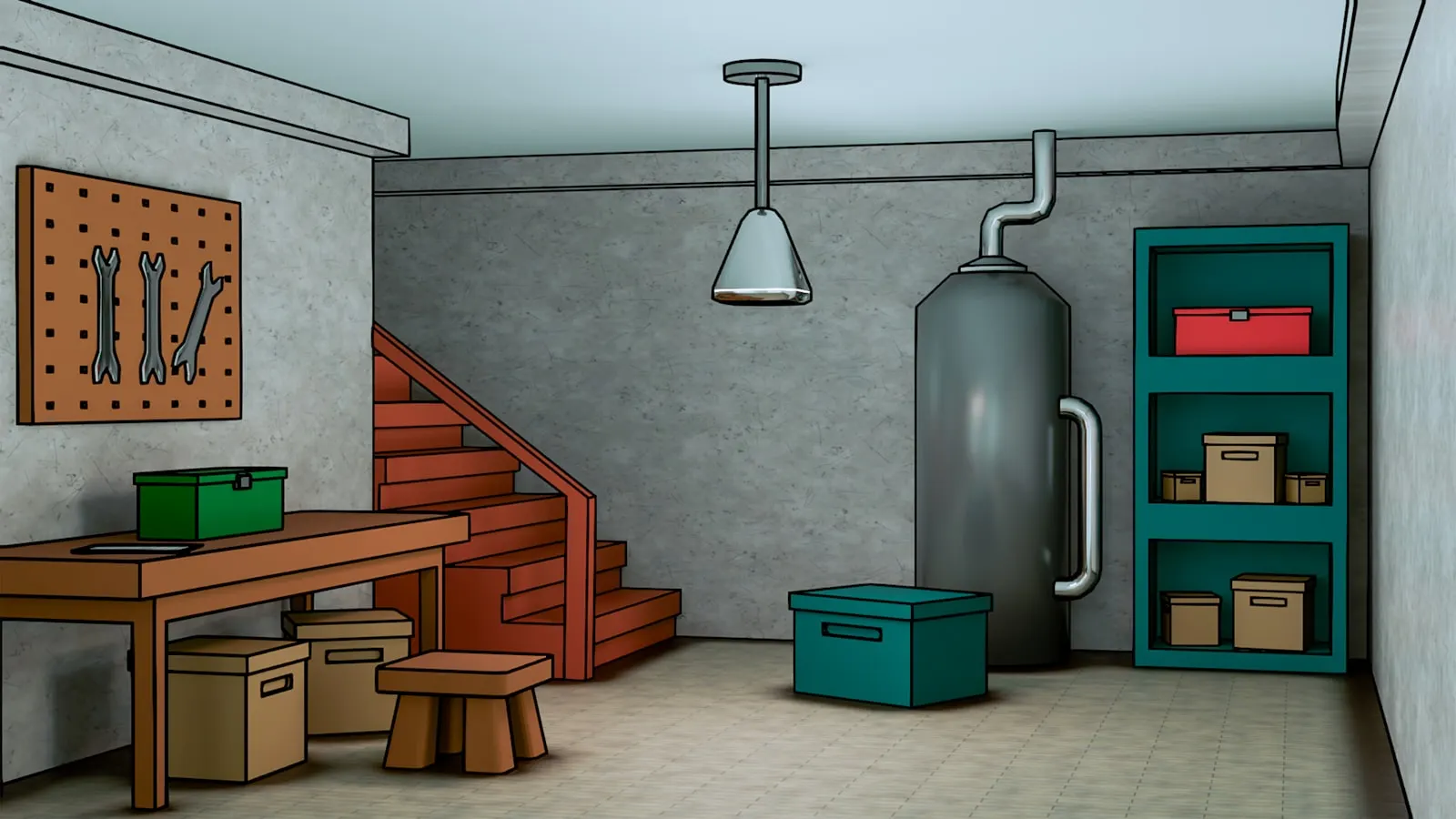
Take a 1988 two-story in Aurora's central tract miles. The water heater lives in a hallway closet sized to the cheapest tank of that year, and the household runs three generations deep, which is common here and nothing but sensible given what housing costs. Showers start at 5:30 and run in shifts. School, work, dishes, laundry, repeat. That 40-gallon tank hasn't had a quiet hour in years, and lately the third shower goes lukewarm before the shampoo's rinsed out.
Demand like that isn't abuse, it's exactly what a water heater is for. But pair heavy cycling with Aurora's mineral load and the math compresses. More heating cycles pull more scale out of the water, more sediment lands on the tank floor, and the same model that lasts twelve easy years in a two-person house can be done in eight here. So when hot water starts running out early, the question isn't who's taking long showers. It's what's happening at the bottom of that tank.
The closet itself is part of the problem, and it's worth saying out loud. Builders in those decades sized closets to the smallest tank that would pass, which means today's replacement options are constrained by a door frame from 1988. Sometimes the right 50-gallon upgrade slides in fine. Sometimes it means a shorter, wider tank, and once in a while it means relocating the heater to the garage, which changes your freeze math too. Measure the closet before anyone quotes you anything.
Why water heater repair in Aurora starts with scale
Prairie Waters is impressive engineering and it's harder than Denver's mountain supply, and a tank heater is basically a scale collection device. Minerals fall out of solution when water heats, settle on the tank floor, and build a layer between the burner and the water it's trying to heat. That layer is why old tanks rumble and pop: steam pockets are firing off underneath the sediment like popcorn in a covered pan.
Scale costs you three ways. Recovery slows, so the tank takes longer to reheat between showers. Efficiency drops, because you're heating rock before you heat water. And the steel floor cycles hotter than it was designed to, which shortens the life of the tank itself. An annual flush, twice a year in a hard-running house, interrupts all three at the cost of a garden hose and twenty minutes. It is the single best habit an Aurora tank owner can have.
Altitude plays a quieter role. Gas appliances at 5,403 feet deliver a bit less heat than their sea-level ratings suggest, which is why an Aurora tank that looked marginal on paper feels undersized in practice. That's not a defect, and no part fixes it. It's one more reason sizing conversations in this city should start with how many people actually live in the house, not with whatever number is printed on the old tank's sticker.
Repair, replace, and the actual numbers
Most no-hot-water calls end in small parts. Thermocouples, igniters, heating elements, gas valves: along the Front Range these repairs commonly land between $150 and $600 depending on the part and the access. A cramped hallway closet, and Aurora's tract miles are full of them, sits at the annoying end of access, which is a labor line, not a scam. Ask about it anyway. Honest shops explain their labor without flinching.
Full replacement with a standard tank commonly runs $1,500 to $3,500 installed around the metro, more when venting or supply lines need updating to bring an old closet install in line with current practice. Round numbers, wide range, and your house picks your spot in it. Get the quote itemized so you can see what's tank and what's correction. And if two bids differ by a lot, the cheaper one usually skipped the correction line, not the tank.
The judgment call runs on age and evidence. Under six years with a failed part: repair, easy call. Past ten, or any water weeping from the tank body itself: replace, because a leaking tank is a countdown, not a symptom. In between, weigh how hard your household runs it. A tank serving seven people has earned retirement sooner than one serving two, and replacing it on your schedule beats replacing it on the tank's.
| Symptom | Likely cause | Usual direction |
|---|---|---|
| Rumbling or popping | Sediment layer on the tank floor | Flush now, budget for replacement if it returns |
| Runs out fast, slow recovery | Scale buildup or a failed dip tube | Repair if young, upsize if the house is full |
| Water at the base | Fitting leak or tank seam | Fittings are fixable, a weeping tank is done |
| Pilot won't stay lit | Thermocouple or gas valve | Cheap fix on a tank worth keeping |
Dealing with this in Aurora?
Start a quoteMaking the next one last longer here
Whatever you install next, protect it like Aurora's water is coming for it, because it is. Flush the tank once or twice a year. Have the anode rod checked around year three instead of never: it's a cheap sacrificial part whose whole job is to corrode so the tank doesn't, and on this water it works overtime. And size honestly. If the third shower always runs cold, the fix might be 50 gallons instead of 40, not a family meeting about shorter showers. A properly sized tank in a full house pays for its extra gallons in ended arguments alone.
If you're weighing tankless, hard water raises the maintenance stakes, and annual descaling stops being optional. The metro water heater guide runs that math in full, and Centennial's page shows how the same decision looks on different water one city south. For everything else in this town, from drains to freeze dates, start at the Aurora guide.
Aurora tanks mostly die of scale, and scale is manageable. Flush yearly, check the anode by year three or four, and size for the household you actually have, not the one on the builder's spec sheet. When a tank past ten starts leaking from the body, skip the repair math and replace it. Everything else is usually a part, not a catastrophe.
Keep exploring
More for Aurora and nearby
All Aurora plumbing guides Water Heater Repair across the Front Range Denver Centennial
Questions we actually get
Water Heater Repair in Aurora: quick answers
Does Aurora's hard water really shorten a water heater's life?
It shortens the life of a neglected one. Prairie Waters carries more mineral than Denver's supply, so sediment builds faster on the tank floor, and sediment is what makes tanks rumble, slow down, and overheat their own steel. A flushed tank on Aurora water can still see a long, ordinary life. An unflushed one gives up years early, and the popping sound is the warning.
How often should I flush my tank on Prairie Waters supply?
Once a year minimum, twice if your household runs the tank hard with back-to-back showers and constant laundry. It's a garden hose, a floor drain or driveway, and about twenty minutes. If the tank has never been flushed and it's past eight years old, ask a plumber before opening that drain valve, because sediment can keep an old valve from ever fully closing again.
Is tankless worth it in Aurora?
It can be, with eyes open. Endless hot water suits big households, and gas savings are real over time. But Aurora's mineral load means annual descaling is mandatory, not optional, and skipping it voids the advantage fast. Price the unit, the install, and a decade of maintenance together, then compare that against a well-kept 50-gallon tank before you decide.
Cold shower in Aurora? Let's fix that.
Tell us the tank's age, the symptom, and your part of the city, and a real person will route it to a heater tech the same day.
Get My Free Quote