
Hot water at estate scale in Greenwood Village
Water Heaters Greenwood Village CO
Water Heater Repair, Installation & Replacement
When a house has two mechanical rooms and four bathrooms per wing, hot water is infrastructure. This guide covers water heater repair in Greenwood Village the way the housing demands: paired tanks, recirculation loops, and replacement math that changes when everything was installed the same week.
- Paired tank replacement math
- Recirculation loop diagnosis
- Altitude-aware sizing help
- Multi-mechanical-room homes
Two mechanical rooms, one aging installation
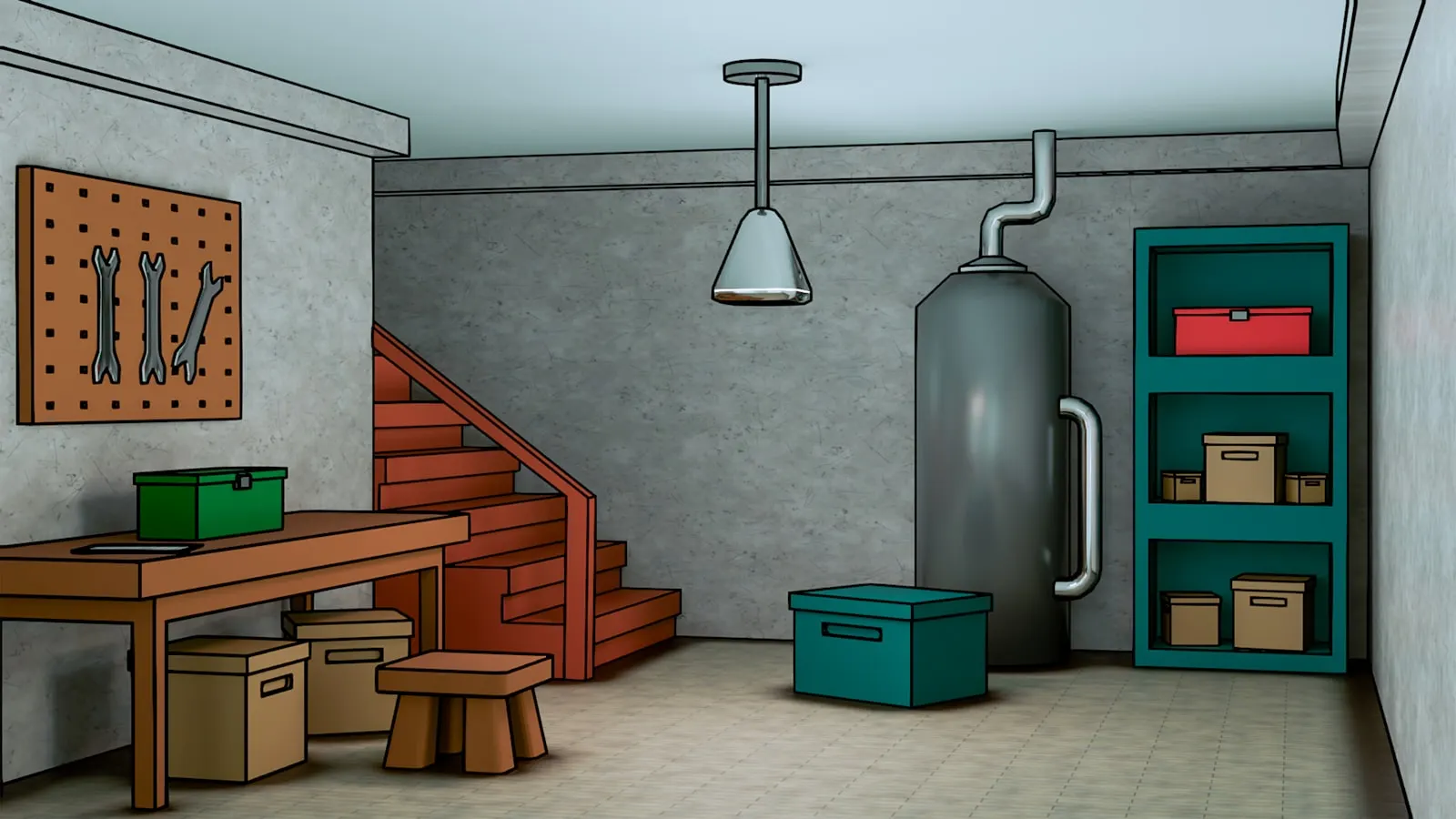
Walk the utility spaces of a 1991 custom off the High Line Canal corridor and you'll often find the same layout: a mechanical room off the garage serving the kitchen wing, a second tucked under the far side of the house, and paired 75-gallon tanks in each, all set the same week the drywall went up. It's a sensible design for a home this size. It also means the equipment ages in formation, like a fleet.
So when one tank quits, the question isn't really about that tank. It's about the fleet. The failed unit's twin has the same birthday, the same water, and the same duty cycle, and treating its survival as good luck rather than borrowed time is how estates end up with two emergency replacements in eighteen months instead of one planned project. The full picture of the house matters here, which is why we keep a whole-property guide for Greenwood Village alongside this page.
Treat those rating plates like the estate ledger. Note each unit's install year, capacity, and fuel, then decide in advance which failure triggers a simple repair and which triggers the fleet conversation. That single page of notes, taped inside a mechanical room door, is the difference between deciding calmly in daylight and deciding at 7 a.m. with a cold house and a persuasive stranger.
Find the manufacture dates today. They're on the rating plates. Ten minutes of reading tells you more than any sales pitch.
The recirculation loop dies quietly
Large floor plans here depend on recirculation loops, little pumps that keep hot water moving so the primary bath two hundred feet from the mechanical room doesn't take four minutes to warm up. When the loop fails, nothing dramatic happens. The far taps just get slower, week by week, until somebody finally says the shower takes forever. Owners routinely blame the heater and start pricing replacements when the actual culprit is a seized pump or a stuck check valve, both far cheaper fixes.
The loop also wears the plumbing itself. Constantly circulating hot water is hard on copper, and pinhole leaks favor the hot side, showing up at elbows and fitting joints along the loop's path. A faint green stain on a fitting in the mechanical room is the polite early warning. Take it seriously; the impolite version comes through a ceiling.
There's an owner-level check worth knowing. Recirculation pumps run warm and hum faintly, so a pump that sits stone cold and silent while its timer says run is a pump that has quit. A check valve failed open gives the opposite tell: warm water arriving at cold taps as the loop siphons backward. Either way you've narrowed the diagnosis before anyone is on the clock.
| Symptom | Likely culprit | Typical move |
|---|---|---|
| Far taps slow to warm, near taps fine | Recirculation pump or check valve | Pump swap or valve replacement, modest cost |
| Lukewarm everywhere, recovery is slow | One tank of a pair has failed | Confirm which unit, then face the twin question |
| Rumbling or popping from a tank | Sediment buildup on the burner plate | Flush if young, budget for replacement if old |
| Green crust at loop fittings | Pinhole corrosion on the hot line | Repipe the affected section before it sprays |
Water heater repair in Greenwood Village, priced honestly
Component repairs are the easy tier: thermocouples, gas valves, elements, and pumps commonly land between $150 and $600 along the Front Range, and on a tank under eight years old they're usually worth doing. Replacement is where estate scale bites. A standard tank swap broadly runs $1,800 to $4,500 installed, but the homes here skew toward 75-gallon and power-vent units at the top of that range, and a paired setup can mean facing that number twice.
The judgment call: when one twin fails past the ten-year mark, replacing both in a single mobilization is usually cheaper than two separate emergencies, and it lets you rethink the design while walls are already open. Some owners consolidate to fewer, better units. Some go tankless, which works well here but must be sized and set up for 5,397 feet, since altitude affects gas appliance ratings and the spec sheet's sea-level numbers flatter reality.
Staggering works too. Replace the failed twin now, put the survivor on the calendar for a planned swap within the year, and you've spread the cost without re-rolling the dice every morning.
Repair young tanks, plan around old ones, and never treat a failed twin as an isolated event. On paired installations past ten years, price the double replacement before the second failure prices it for you. And any tankless conversion quote that doesn't mention altitude adjustment was written for a different city.
Dealing with this in Greenwood Village?
Start a quoteRun hot water like the estate asset it is
The properties that never have hot water drama share three habits. The tanks get a yearly look: a glance for rust streaks, a check of the pan, a hand on the fittings. The anode rods get checked every few years, because a $50 rod sacrificing itself on schedule is what buys a tank its second decade. And every mechanical room sitting above finished space has a pan, a drain, and a cheap leak sensor, since a slow tank failure over a wine cellar is a five-figure event that a $40 alarm catches at the puddle stage.
While you're in the mechanical room, glance at the expansion tank riding above each heater. Press the valve stem on its end: air is good, water means the internal bladder has failed, and a dead expansion tank quietly stresses every joint in the house each time a burner cycles. It's a modest part that protects a great deal of copper.
If a tank is actively leaking right now, close its cold inlet valve, kill its gas or power, and move to our emergency page for the fuller triage. For the metro-wide view of repair versus replacement thinking, the water heater hub covers the fundamentals. And when you request a quote, list every heater in the house with its age. Crews quote paired systems better when they know they're walking into one.
Keep exploring
More for Greenwood Village and nearby
All Greenwood Village plumbing guides Water Heater Repair across the Front Range Centennial Englewood
Questions we actually get
Water Heater Repair in Greenwood Village: quick answers
Should both paired water heaters be replaced when one fails?
Past the ten-year mark, usually yes. The twins share an install date, water chemistry, and workload, so the survivor is running on borrowed time. One mobilization for two units costs meaningfully less than two emergency visits a year apart, and it opens the option of redesigning: consolidating tanks, adding capacity where the house actually uses it, or going tankless with proper altitude sizing.
Why does hot water take minutes to reach my far bathrooms?
On floor plans this size, that delay is what recirculation loops exist to prevent, so a long wait usually means the loop has failed. The pump may have seized or its check valve stuck, and both are modest repairs compared to a heater swap. If your home never had a loop, one can be added, and on a two-hundred-foot run it changes daily life noticeably.
Does Greenwood Village's elevation really affect water heater choice?
It does, and mostly for gas equipment. At 5,397 feet, thinner air reduces effective burner output, so tankless units and high-BTU tanks need altitude-aware sizing or they'll underperform their spec sheets, especially with estate-scale simultaneous demand. A quote that sizes off sea-level ratings will produce a system that technically works and practically disappoints every holiday weekend. Ask directly how the bid accounts for altitude.
Price the fleet, not just the failure
Tell us how many heaters the house runs and their ages, and we'll route your Greenwood Village request to crews who quote paired systems properly.
Get My Free Quote