
The first five minutes decide
Emergency Plumbing Monument CO
Burst Pipes, Active Leaks & Water Shutoff Help
A burst pipe is bad anywhere. A burst pipe while a Divide blizzard has the Gap crawling and the house sits empty for a ski weekend is Monument's version. This guide is the shutoff drill, the triage order, and the preparation that shrinks the worst day.
- Well shutoff drill
- Blizzard access honesty
- Empty-house protection
- Routing by a real person
The burst nobody was home for
Emergency plumbing in Monument has a signature scenario, and it isn't dramatic. It's quiet. A family heads up the pass on a Friday for a ski weekend, a hard cold snap rolls over the Divide that night, and a supply line in an unheated corner lets go on Saturday morning. Nobody's home. And because the house runs on a well, there's no municipal meter spinning to tip anybody off. Just a pump cycling endlessly, feeding the leak with everything it can pull.
By Sunday night that's no longer a plumbing repair, it's a restoration project. The plumbing fix might take an hour. The drying, flooring, and drywall take months. Every empty-house emergency works like this: damage is a function of time, and time is the one variable you can actually control in advance. We read enough quote requests that start with "we were away for the weekend" to build this page around the pattern.
It's worth saying plainly that the scenario isn't hypothetical for this town. Ski-weekend geography, the corridor's earliest freezes, and well systems that keep feeding a leak: that's Monument's exact combination. The rest of the corridor worries about burst pipes. Up here you also worry about how long one runs before anybody knows.
So this guide runs backward. Triage first, then costs, then the leaving-town protocol that beats both.
Triage while it's happening
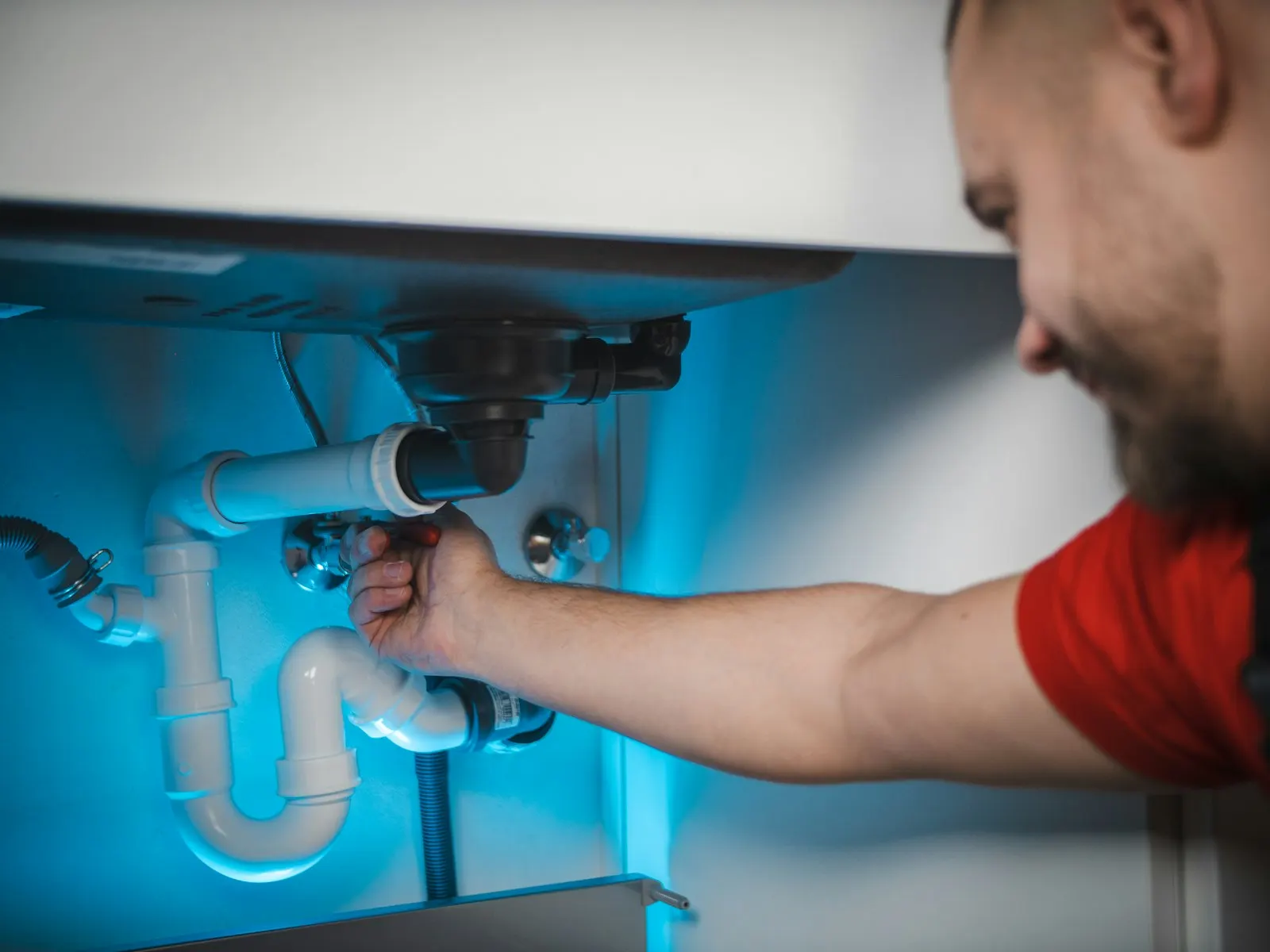
Water where it shouldn't be, right now: kill it at the source. On municipal service that's the main shutoff, usually where the line enters the house. On a well it's two moves, close the valve at the pressure tank and flip the well pump's breaker, because the tank keeps pushing its stored water even after the pump stops. Then open a low faucet to bleed pressure off the lines. If you can't find the main shutoff, the water heater's cold-inlet valve can at least isolate part of the system while you keep hunting.
Sewage backing up is a different emergency: stop using water entirely, every flush and laundry cycle feeds the backup, and keep people and pets clear of what's surfaced. No water at all during deep cold usually means a freeze somewhere on the supply side, which has its own playbook in our frozen pipe guide. Snap a photo of what surfaced before you start cleanup, since the routing conversation and any insurance one both go smoother with evidence.
Electricity and water sharing a room, gas smell, sewage on a large scale: those outrank plumbing entirely. Get people clear first and call the folks whose trucks have lights on top. Water can wait the extra ten minutes that safety takes.
Emergency plumbing in Monument: access, costs, weather
Emergency service anywhere carries a premium, nights and weekends bill higher than a Tuesday morning, and along the Front Range an urgent visit commonly starts in the low hundreds before repairs. The honest local complication is access. This town sits on the I-25 Gap corridor, and the same upslope storm that bursts pipes can put the highway into crawl or closure in both directions. When that happens, response stretches, no matter whose magnet is on your fridge.
On the repair itself: burst-pipe fixes along the Front Range commonly land between a few hundred dollars and $1,500 for the plumbing alone, while water damage restoration costs whatever the water decided. The gap between those two numbers is exactly why the shutoff drill matters more than any plumber's ETA.
That changes the math in one specific way: your first-five-minutes skills are worth more here than anywhere else we cover. A homeowner who can kill the water, drain the lines, and drop the right breaker converts a catastrophe into an inconvenience that can wait for the plow.
When you reach the form, say it's active, say what you've already shut off, and mention road conditions if they're a factor. Routing works better with the whole picture.
You are the first responder on the Divide, and in a blizzard you may be the only one for hours. Shutoff drill, labeled valves, pump breaker, drained lines: that's the whole job until help arrives. Learn it on a calm afternoon and the worst day this house ever has gets dramatically smaller.
Dealing with this in Monument?
Start a quoteLeaving town like you mean it
Back to the ski weekend. Any Monument house going empty overnight in the cold season deserves five minutes of protocol: heat left at a sane temperature, cabinet doors open on plumbing walls, and, on well properties, seriously consider closing the pressure tank valve and dropping the pump breaker on your way out. A house with no water pressure can't flood. That single habit deletes the worst version of this story. Write the three steps on a card by the garage door if that's what it takes, because nobody remembers a lecture in a hurry, and guests house-sitting for you never heard the lecture at all.
Longer absences justify more: draining the lines outright, setting a neighbor up with a key and a reason to stop by midweek, or a cheap leak sensor that texts your phone. Frequent travelers should treat winterization as seriously as anybody with a summer cabin does, because a Monument house in February is a mountain property whether it admits it or not. None of it is exotic. All of it beats coming home Sunday to the sound of running water.
For the fuller prevention picture, the Monument city guide covers this town from wellhead to lateral, and the Front Range emergency hub holds the corridor-wide playbook. Different towns, same rule: minutes decide outcomes.
Keep exploring
More for Monument and nearby
All Monument plumbing guides Emergency Plumbing across the Front Range Castle Rock Parker
Questions we actually get
Emergency Plumbing in Monument: quick answers
What do I shut off first on a well system?
Two things, in either order, fast: the valve at the pressure tank and the well pump's breaker. The valve stops stored pressure from feeding the leak; the breaker stops the pump from replacing it. Then open a low faucet to bleed the lines down. Do the drill once on a calm day, label everything, and the real thing takes under a minute even by flashlight.
What if a blizzard has the roads shut down?
Then time is on your side only if the water is off. Kill the supply, drain the lines, move what's soaked, and get air circulating over wet materials if you safely can. Send the quote request anyway with road conditions noted, so it's queued when travel opens. A Divide storm can slow any response, which is exactly why this page leans so hard on the shutoff drill.
What actually counts as a plumbing emergency?
Active water you can't stop, sewage surfacing indoors, no water at all during deep cold, and any leak near your electrical panel. Those justify urgency. A drip into a bucket, a slow drain, a running toilet: real problems, but they'll hold for a scheduled visit at daytime rates. Shutting off the water yourself is what usually converts an emergency into an appointment, and that conversion saves real money.
Water running right now in Monument?
Shut it down with the drill above, then send the form with urgent up front, a real person reads every request.
Get My Free Quote